

Window Treatments Solutions for a Stylish, Functional Home
2026-11-02
Most homes treat window treatments as an afterthought—something to add once the 'real' design work is done. But the right solution does far more than cover a pane: it shapes light, frames views, and ties a room together. ROLLERGY rethinks that overlooked space, making style and function work as one. Ahead, we’ll explore how to choose treatments that truly earn their keep.
Layering Sheers and Drapes for Depth Without Sacrificing Natural Light
Start with a sheer that disappears against the glass—think whisper-weight linen or a soft voile in a neutral tone. This layer softens the direct sun and keeps the room feeling open. Then hang a drapery panel slightly wider than the window, in a heavier fabric like cotton velvet or brushed wool. The trick is to mount the rod high and extend it past the frame, so the drapes stack mostly on the wall, not over the glass. That way the sheer remains the main filter, and the heavier panels read as a frame rather than a barrier.
For depth, play with tone rather than contrast. A sheer in warm ivory under a drape in a muted clay or sage creates a gentle transition from bright center to shadowed edges. If you want more texture, choose a sheer with a subtle stripe or slub and keep the drape smooth. Avoid blackout linings unless the room truly needs darkness—unlined drapes in a medium weight still give a sense of enclosure while letting daylight bleed through the weave. The goal is a window that feels layered and intentional, not covered up.
Choosing Between Roman Shades and Roller Blinds for a Streamlined Look
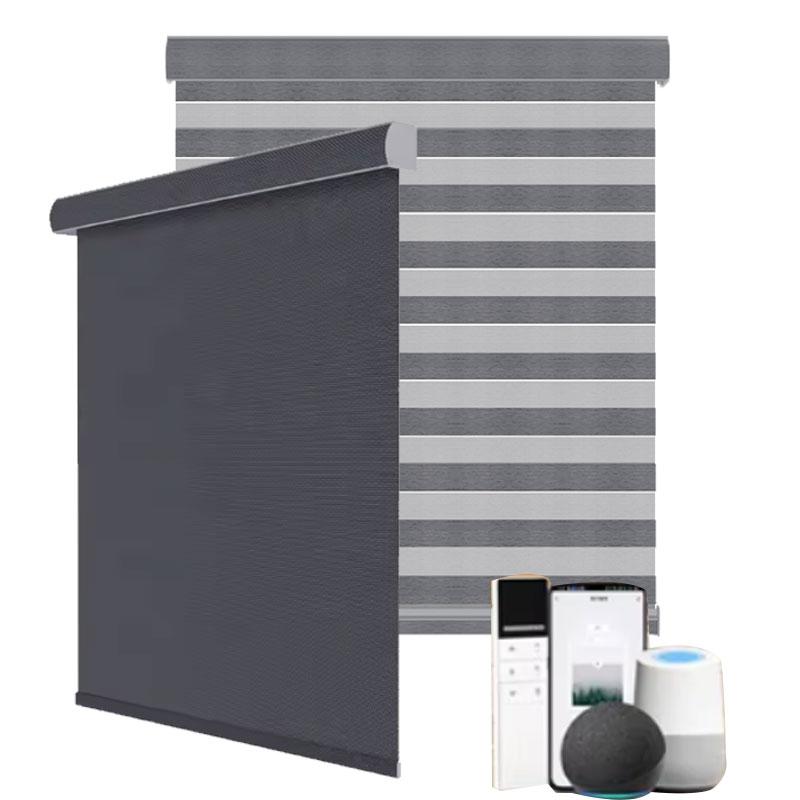
If you're after a clean, uncluttered window treatment, both Roman shades and roller blinds can get you there—but they do it with different personalities. Roman shades fold up into soft, horizontal pleats when raised, which gives the room a gentle, tailored rhythm even at the window's top. Roller blinds, on the other hand, disappear into a slim cylinder or sit nearly flat against the glass, leaving almost no visual footprint. So the first question isn't which one is more minimalist, but whether you want a touch of fabric architecture or a near-invisible plane of material.
The decision often comes down to how the rest of the room behaves. In spaces with layered textures—think linen sofas, wool rugs, or wood grain that already has movement—a roller blind in a solid tone can quiet things down without competing. In a room that feels stark or cold, a Roman shade in a nubby weave or a subtle pattern adds just enough softness to keep it from looking like a showroom. Also think about daily use: roller blinds tend to glide up and down with less effort, while Roman shades need a bit more tug and can pool fabric at the top if not made well. Neither is wrong, but one will feel like it belongs in the space without you having to think about it.
Making Small Windows Feel Larger with Ceiling-Mounted Hardware
Most people instinctively hang curtain rods just above the window frame, which chops the wall into awkward horizontal bands and makes a small opening feel even more cramped. Ceiling-mounted hardware flips that logic entirely: by running a track or rod directly along the ceiling line, you erase the dead space above the window and let the fabric fall uninterrupted from floor to ceiling. The eye naturally follows that vertical sweep, and suddenly an ordinary three-foot window reads as a much taller architectural feature. You don't need extra square footage—just a willingness to ignore the old rule about centering hardware on the casing.
The effect is especially strong in rooms with standard eight-foot ceilings, where even a few extra inches of perception matter. Mount the track so the curtains stack back fully clear of the glass, which also maximizes daylight and makes the window feel wider than its actual dimensions. Choose a slim, low-profile track in a finish that matches the ceiling paint, so the hardware nearly disappears and the fabric becomes the main event. For rented spaces or situations where drilling into the ceiling isn't ideal, tension-mounted ceiling tracks can achieve a similar illusion without permanent changes.
One overlooked trick is to extend the ceiling-mounted track at least ten to twelve inches beyond each side of the window. That way, when the curtains are open, they cover only wall—not glass—and the full width of the opening stays visible. Paired with floor-length panels that puddle slightly or break just at the floor, this simple shift in hardware placement can turn a cramped, boxy window into the kind of vertical statement usually reserved for much larger homes. It's a small change with an outsized payoff.
Balancing Privacy and Views in Street-Facing Rooms
The first challenge is glare and visibility. Street-facing rooms naturally invite natural light and a sense of connection, but you may not want every passerby peering in. Instead of defaulting to heavy drapes that block both light and view, consider layered window treatments: a sheer linen panel diffuses daylight while obscuring direct sightlines during the day, and a tailored roman shade or soft fold curtain can be drawn after dusk. This lets you keep the window's visual openness on your terms.
Furniture placement can do a lot of quiet work. Positioning a low bookshelf, a tall plant, or a slim console table just inside the window creates a visual buffer without sacrificing the exterior view from seated or standing positions. For rooms where privacy matters more—like a bedroom or bath—switch to top-down bottom-up shades or apply a micro-perforated window film that maintains the view outward but turns the glass into a hazy surface from outside. These options feel less like a fortress and more like a considered layer.
Evening brings the biggest shift: interior lights turn windows into mirrors, exposing everything inside. A simple fix is to place task lighting away from the glass and use warm, low-level lamps near interior walls. If you want to keep the view while preventing night visibility, consider integrating dimmable exterior sconces or a low hedge or planter just outside the window—the outside light source reduces the contrast that makes interiors visible. With these moves, the room stays bright and connected without feeling like a display case.
Using Blackout Liners in Bedrooms Without Making Them Feel Heavy
Blackout liners are often associated with a dense, cave-like atmosphere, but that doesn't have to be the case. The key lies in how you integrate them with your existing window treatments. Rather than hanging a single heavy panel, layer a lightweight sheer curtain in front of a blackout liner. This softens the visual weight while still blocking light effectively. Choose a liner in a neutral tone that matches the wall or curtain rod, so it recedes into the background instead of demanding attention.
Fabric choice also plays a major role in preventing a heavy feel. Opt for a blackout liner with a smooth, matte finish rather than a thick, quilted texture. Some liners are now made from lighter synthetic blends that offer full light blockage without the bulk. If you're using curtains, consider attaching the liner only to the top portion of the rod with clips, allowing the lower half to move freely. This creates a more relaxed drape and prevents the fabric from bunching up in a way that looks oppressive.
Finally, pay attention to color and pattern placement. Dark-colored blackout liners can make a room feel smaller, so keep the visible side of the curtain light or patterned. In a bedroom with soft pastel walls, a white or cream liner behind a floral or gauzy curtain keeps the space airy. You can also install the liner on a separate tension rod inside the window frame, leaving the outer decorative curtain purely for looks. This approach gives you blackout benefits at night while the room still feels bright and open during the day.
Incorporating Woven Wood Shades for Warmth and Organic Texture
There's a quiet shift that happens in a room when hard surfaces outnumber soft ones. Woven wood shades slip into that gap without demanding attention, their slatted bamboo or reeded grasses filtering daylight into something closer to a late-afternoon hush. The material itself carries a memory of the outdoors, so even a compact city apartment can feel tethered to a slower, greener rhythm.
What makes these shades especially useful is their range of texture. A tight herringbone weave reads almost tailored, while looser, knotted jute skews casual and sun-warmed. Layering them over existing window treatments adds depth without bulk, and the slight irregularities in the fiber mean no two windows look identical — a small, welcome break from the uniformity of metal blinds and synthetic rollers.
For rooms that lean cool with concrete, glass, or polished stone, woven wood offers a counterweight that feels earned rather than decorated. Choose unlined panels in a kitchen or dining nook where shadows are as valuable as the light itself, and let the texture do the work of making the space feel inhabited, not just arranged.
FAQ
Focus on the room's primary purpose first. For a living room where you want soft light and privacy, try layered sheer curtains with a woven wood shade—the shade handles privacy, the sheers keep it airy. In bedrooms, blackout liners behind roman shades give you both a tailored look and real sleep benefits. The trick is choosing a fabric weight and opacity that matches how you'll actually use the space, not just how it looks in a photo.
Yes, look for clean-lined roller shades in a textured linen or a soft, heathered fabric. They read as contemporary but the natural texture keeps them from feeling sterile. Pair them with simple drapery panels on a thin metal rod if you want a hint of classic layering. Avoid heavy valances or fussy trims—those lock you into one era. The finish on the hardware matters too: matte black or brushed brass bridges styles better than shiny chrome.
Consider dual shades—one sheer or light-filtering layer for daytime glare, and a second room-darkening shade behind it for when the sun is at its worst. Or install top-down/bottom-up cellular shades so you can lower the top to let in light while blocking the lower glare. Another option is solar shades with a moderate openness factor (around 5-10%) that cut UV and heat but still let you see outside.
Skip delicate silks and loosely woven linens that snag and show stains. Look for performance fabrics labeled solution-dyed acrylic or polyester blends—they resist fading, wipe clean, and don't hold odors. For curtains, a heavier cotton canvas or a tight-weave polyester works well. Cordless or motorized lift systems are also a must for safety around little ones. If you still want a softer drape, choose a matte faux linen; it gives the look without the upkeep.
Yes, but the material and fit matter. Cellular or honeycomb shades are the most effective because their air pockets trap a layer of insulation. For cold climates, look for ones with a higher R-value or a double-cell design. In warm climates, light-colored reflective shades or exterior solar screens reduce heat gain. Proper mounting—inside the frame with minimal gaps or outside with overlap—makes a bigger difference than most people expect. Don't forget to lower them at night in winter and during peak sun in summer.
Faux wood blinds or plantation shutters are your best bet for a crisp, finished look with almost no fuss. A quick dust or wipe down with a damp cloth keeps them looking new. If you prefer softness, go with a roller shade in a vinyl or coated fabric—no laundering, no ironing, and it won't wrinkle. Avoid anything with excessive pleats or tassels unless you enjoy spending Sunday afternoons with a vacuum attachment.
Use a steel tape, not cloth. For inside mount, measure width at top, middle, and bottom—use the narrowest. For height, measure left, center, right—use the shortest. Check depth to make sure your chosen hardware fits. For outside mount, add at least 2-3 inches on each side and 4-6 inches above to block light and make windows look larger. Always measure each window individually, even if they look identical; old houses shift.
For hard-to-reach windows, tall patio doors, or a room where you want scheduled light control, they're genuinely useful—not a gimmick. Battery-powered options with a rechargeable pack have gotten much more reliable. You can program them to open gradually in the morning or close when the sun hits. If you're on a budget, start with just one key window (like a bedroom skylight) and add more later. The motors are quiet and the convenience is addictive, but stick to reputable brands with a solid warranty.
Conclusion
Layering sheer panels under heavier drapes lets you shift between airy daylight and cozy privacy without constantly adjusting blinds. In practice, this means hanging a translucent layer close to the glass and a fuller drape on a separate rod, so the room never feels flat or overexposed. When a cleaner silhouette is the goal, Roman shades offer soft folds that suit bedrooms and living rooms, while roller blinds disappear neatly into the frame for kitchens and home offices. For smaller windows, mounting hardware on the ceiling rather than the wall draws the eye upward and creates the illusion of taller openings. Even a modest window can feel more intentional when the fabric stack sits above the frame instead of crowding the glass.
Street-facing rooms often demand a compromise between openness and seclusion. Lining drapes with a lightweight blackout fabric in bedrooms keeps early morning light out without making the space feel cave-like—choose a liner in a similar tone to the drape and let it puddle slightly for softness. For organic warmth, woven wood shades bring texture that painted blinds can't match, and they pair well with the layered approach already in place. The trick is to treat window treatments as layers of function rather than a single decision: start with a base for privacy, add a middle layer for light control, and finish with something tactile that ties the room together. That way, every window works harder without looking over-designed.
Contact Us
Contact Person: Vivien Cheng
Email: [email protected]
Tel/WhatsApp: +86 13751758835
Website: https://www.rollergytech.com/