

UL FM Alarm Check Valve Company: Key Considerations for Superior Fire Protection Systems
2026-06-30
When it comes to safeguarding lives and property, every component in a fire protection system matters—especially the alarm check valve. UL and FM approvals are non-negotiable benchmarks, but beyond certifications, what should you look for in a partner? DRIFCO brings decades of engineering know-how to the table, and in this post we’ll explore the key factors that set superior systems apart.
Beyond Certification: The Real-World Performance of UL/FM Valves
Certifications from UL and FM Global are often seen as the gold standard for valve safety and reliability, but they only tell part of the story. In real-world installations, performance hinges on how these valves handle unpredictable variables—fluctuating pressures, aggressive media, and installation nuances that a laboratory test can’t fully replicate. Engineers who rely solely on a certification stamp may overlook critical factors like maintenance accessibility, long-term seal integrity, and how the valve interacts with the broader system under fault conditions.
Field experience reveals that a valve’s true merit emerges in scenarios where failure is not an option. For example, in fire protection systems, a UL-listed butterfly valve might pass all bench tests, yet in a high-vibration industrial environment, its disc-to-seat alignment can degrade faster than anticipated, leading to hidden leakage paths. Similarly, FM-approved gate valves in offshore platforms have demonstrated that salt spray corrosion can compromise stem sealing surfaces long before any scheduled inspection catches it—something no certification test explicitly measures.
Ultimately, going beyond the badge means evaluating how a valve behaves over its entire lifecycle, not just at the moment of installation. It’s about documenting performance in actual operating conditions, learning from near-misses, and sharing those insights across engineering teams. When facilities prioritize real-world data—tracking cycle counts, torque drift, and seal wear patterns—they build a culture where safety is proven, not just certified. This practical wisdom ensures that UL/FM valves deliver their intended protection when it matters most, without surprises.
Critical Design Features of High-Quality Alarm Check Valves
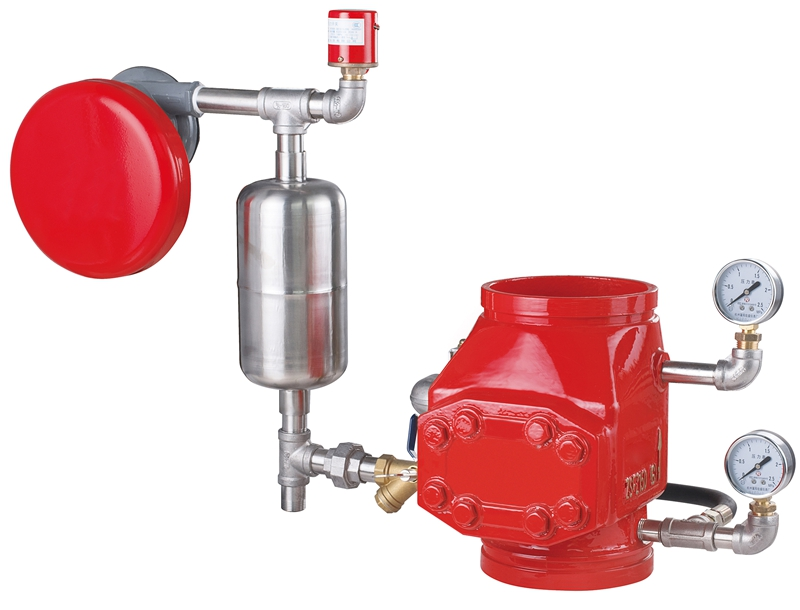
A well-engineered alarm check valve starts with a streamlined clapper and seat design that minimizes water turbulence and pressure loss during normal flow. The clapper must pivot freely on a durable hinge, often with a non-corrosive pin, to avoid sticking or false alarms even after long idle periods. The geometry of the seat and the clapper face is precisely matched to create a reliable, low-friction seal that opens promptly when sprinklers activate, yet re-seats firmly to prevent backflow. Subtle details like the ratio of clapper weight to surface area and the positioning of the bypass channel ensure the valve responds accurately to the delicate pressure differentials that signal a fire event, without chattering or slamming.
Beyond the trim components, the valve body and internal passages make a huge difference in long-term reliability. Quality models feature generous, smooth internal waterways that reduce scale buildup and make routine flushing more effective. The alarm port should be positioned to capture a clear, strong signal as soon as the clapper lifts, feeding an uninterrupted flow to the water motor gong or pressure switch. Durable materials—like ductile iron bodies with fusion-bonded epoxy lining and stainless steel or bronze trim—hold up against aggressive water chemistry and system pressure fluctuations. Field-adjustable retard chambers and accurate pressure gauges integrated into the trim allow installers to fine-tune the alarm response to site-specific conditions without adding aftermarket parts.
Another hallmark of a thoughtfully designed alarm check valve is its serviceability. Features like a removable inspection hatch on the clapper assembly, externally accessible strainers for the bypass line, and built-in handles or lugs for lifting the bonnet make testing and maintenance straightforward, even in cramped mechanical rooms. Top-tier valves often include a simplified reset mechanism that lets a technician reseat the clapper without draining the entire system, drastically cutting downtime during regular inspections. Taken together, these elements show that true quality lies not in any single innovation, but in how every component—from the clapper material to the drain port placement—works in concert to deliver years of trustworthy, false-alarm-free protection.
Avoiding Pitfalls: Proper Valve Selection for Your Fire System
One of the biggest mistakes in fire protection is treating valve selection as an afterthought. It’s easy to default to the cheapest option or reuse specs from a previous project, but fire systems aren’t generic. A valve that works flawlessly in a wet-pipe office sprinkler system can become a liability in a dry-pipe warehouse exposed to freezing temperatures. The pitfall here is ignoring the operational demands: trim configuration, response time, and how the valve interacts with the rest of the system under real emergency conditions. Matching the valve type to the specific fire suppression design isn’t just a best practice—it’s the difference between a system that performs and one that fails when it matters most.
Pressure ratings and material compatibility often get overlooked until something goes wrong—corrosion, chatter, or outright rupture. For example, selecting a standard flanged gate valve for a high-pressure mist system can lead to seat erosion and leakage within months. The same goes for using brass-bodied valves in environments where corrosion-resistant alloys are required. Many assume that any valve with the right size connection fits the bill, but the subtleties of pressure class, end-connection type, and trim materials are where the real failures originate. Check the system’s maximum operating pressure and surge potential; don’t rely on nominal pipe size alone.
Finally, consider the long game: installation accessibility and ongoing maintenance. Valves squeezed into tight ceiling plenums or behind immovable equipment may pass a visual inspection on day one, but they’re a nightmare during annual testing or emergency shutoff. Prioritize valves that allow for easy supervised closure and visual position indication—rack and pinion actuators for butterfly valves, for instance, clearly show open/closed status. The lowest purchase price often ignores the lifecycle cost of repairs, downtime, and inspection friction. Avoid the trap of optimizing for the bid and start optimizing for the building’s lifespan.
Smart Installation Practices for Long-Term Reliability
A rock-solid setup begins long before the first bolt is tightened. It’s tempting to rush through the mounting stage, but long-term performance hinges on how well the environment is prepped. We always look beyond the obvious—think about vibration patterns, thermal expansion paths, and the subtle ways structures shift over time. Even the orientation matters; a slight tilt can funnel moisture toward sensitive seals, while a well-chosen angle sheds water without a second thought. Skipping these details might not cause an immediate failure, but it quietly eats away at reliability month after month.
During the actual installation, precision trumps speed every time. Torque specifications aren’t suggestions, and “tight enough” is a phrase that has no place on-site. I’ve seen too many callbacks trace back to connectors that felt solid but were actually under-torqued, leaving room for micro-movement and fretting corrosion. Another often-overlooked step is verifying continuity and grounding paths before energizing the system. A floating ground might let you pass a quick power-on test, but down the line it invites noise and erratic behavior that are a nightmare to troubleshoot. Slow down, double-check, and document—your future self will thank you.
Once the system is live, the work isn’t over. Dressing cables with proper strain relief and avoiding sharp bends keeps signal paths stable, but the real differentiator is thinking about maintenance access. If a component is buried behind a tangle of wires, it’ll be neglected—out of sight, out of mind. We label things clearly, not with cryptic codes, but with plain descriptions that make sense months or years later. A little thought at this stage turns potential headaches into five-minute fixes. That’s the kind of quiet engineering that keeps systems humming reliably for years.
Maintenance Routines That Extend Valve Life and Ensure Readiness
Catching small issues early is the cornerstone of valve longevity. Operators who make a habit of visual checks and stroke tests during routine rounds often spot things like packing leaks or sluggish actuation before they spiral into bigger problems. A quick daily walk-through, paying attention to unusual sounds or vibrations, can reveal more than any automated sensor. It’s less about following a checklist to the letter and more about building an instinct for how the equipment should feel and sound under normal conditions. This kind of hands-on familiarity turns routine monitoring into a preemptive strike against unexpected downtime.
Lubrication and cleaning schedules are sometimes treated as afterthoughts, but they make a tangible difference in how smoothly a valve operates over its lifespan. Dirt and debris accumulation on stems and actuators not only hampers movement but also accelerates corrosion in harsh environments. Selecting the right grease for the service temperature and pressure—and applying it sparingly but consistently—keeps seals supple and threads intact. A surprising number of stuck valves trace back to hardened lubricant rather than mechanical failure. By integrating these simple tasks into a weekly or biweekly pattern, facilities often add years to their valve inventory without major investment.
Overhaul cycles should reflect real operating conditions rather than a generic calendar interval. A valve handling abrasive slurry in a mining operation will need attention far more often than one controlling clean steam in a pharmaceutical plant. Tracking cycle counts, seat leakage test results, and actuator response times allows teams to build a profile for each asset. This data-driven approach means you’re not pulling equipment apart too early and exposing it to unnecessary wear, nor waiting until it limps into failure. Spotting trends—like a gradual rise in torque required to close—gives maintenance crews the lead time to plan shutdowns around real integrity thresholds instead of guesswork.
When to Upgrade: Signs Your Alarm Check Valve Needs Replacement
Alarm check valves are the silent guardians of your fire protection system, but they don't last forever. The first hint that yours might need replacing often comes in the form of subtle, recurring issues—like a trickle of water from the drip cup that just won't stop, even after reseating the clapper. It might seem minor, but persistent leakage around the seat or through the bypass is a red flag that internal components are wearing out and can no longer hold a tight seal.
Physical deterioration is another clear signal it's time to upgrade. Take a close look at the valve body—rust blooms, pitting, or flaking paint suggest corrosion is eating away at the metal. Inside, the clapper face and seat may be scored or eroded, preventing proper closure. If you notice the valve struggling to operate during routine testing, or if the clapper hesitates to open under flow conditions, the internal mechanism could be binding due to buildup or distortion. These aren't just maintenance headaches; they indicate the valve is losing its ability to reliably separate the system from the water supply.
Functional failures are the ultimate wake-up call. When the alarm line fails to activate a water motor gong or pressure switch during simulated flow tests, the entire detection loop is compromised. Similarly, if the valve can't be fully reset after a trip, or if it triggers false alarms without any fire event, the reliability of your suppression system is at stake. Upgrading before these signs escalate into an actual emergency ensures your facility stays protected and compliant without gambling on a part that's already telling you it's done.
FAQ
A UL FM alarm check valve is critical because it has been rigorously tested and certified by Underwriters Laboratories and Factory Mutual, ensuring it meets high safety and performance standards. It reliably prevents water backflow, triggers alarms during fire events, and integrates seamlessly into wet pipe sprinkler systems, providing a dependable first line of defense.
It acts as a one-way valve that holds water pressure on the system side while keeping the supply side separate. When a sprinkler activates, water flows, the clapper opens, and a built-in alarm port activates a water motor gong or pressure switch to signal a fire, ensuring immediate alert and response.
Because UL/FM listing guarantees the product has undergone third-party validation for durability, flow efficiency, and reliability under extreme conditions. Choosing a listed valve reduces liability, meets code compliance, and ensures insurance acceptance, which can lower premiums and avoid penalties.
Look for extensive industry experience, a track record of certified products, responsive technical support, customization capabilities, and adherence to standards like NFPA. Also, assess material quality (ductile iron vs. cast iron), ease of maintenance, and availability of spare parts to ensure long-term reliability.
Proper installation ensures correct orientation, minimal friction loss, and proper trim configuration. Misalignment or incorrect piping can cause false alarms, water hammer, or failure to operate. It's vital to follow manufacturer guidelines and have qualified technicians perform the installation.
Regular inspections, flushing to remove debris, functional testing of the alarm mechanism, and checking for corrosion are essential. Components like gaskets and seals should be replaced per schedule. Proactive maintenance prevents clapper sticking and ensures the system remains in ready condition.
Typically, one alarm check valve serves a single wet pipe zone to localize alarms and simplify system control. Using one for multiple zones could complicate alarm identification during an event and might not meet code requirements. Each zone should have its own valve for clarity and compliance.
Recent advancements include corrosion-resistant coatings, improved clapper designs for lower pressure loss, integrated pressure sensors for remote monitoring, and easier access for maintenance. Some smart valves can transmit real-time data, aiding in predictive maintenance and faster emergency response.
Conclusion
Selecting an alarm check valve from a UL FM Alarm Check Valve Company is about far more than ticking certification boxes. While UL and FM approvals are essential benchmarks, they only tell part of the story. In real-world fire scenarios, valves must respond instantly to pressure drops, prevent water hammer, and maintain reliable sealing despite years of inactivity. Top-tier manufacturers integrate robust design features—such as corrosion-resistant trim, sluiced clappers that minimize friction, and full-port bodies to reduce pressure loss—that directly impact system efficiency and longevity. Equally important is choosing the right valve for your specific fire system configuration, avoiding mismatches in pipe sizing, pressure ratings, or installation orientation that can compromise performance. Smart planning at this stage prevents costly retrofits and ensures seamless integration with wet-pipe sprinkler systems.
Even the best valve will underperform without proper installation and routine care. Following manufacturer guidelines for slope, support, and accessibility during installation lays the foundation for decades of dependable service. A disciplined maintenance program—including regular internal inspections, flushing, and functional testing of alarms and trim—catches wear before it becomes failure. Watch for warning signs like excessive water leakage, slow reset, or corrosion pitting; these often signal that replacement is overdue. By prioritizing real-world performance, thoughtful selection, and proactive upkeep, facility managers transform a code-compliant component into a truly superior fire protection asset—one that stands ready when seconds count.
Contact Us
Contact Person: George
Email: [email protected]
Tel/WhatsApp: 13863633883
Website: https://www.es-fire.com