

Top UL FM Grooved Butterfly Valves for Superior Efficiency and Performance
2025-12-25
In the world of industrial fluid control, the search for efficient and reliable valve solutions continues to drive innovation. Today's focus is on top UL FM grooved butterfly valves—a critical component for systems demanding optimal performance and superior efficiency. At [DRIFCO](https://www.es-fire.com), we understand that these valves aren't just about meeting standard requirements; they're engineered to elevate your operations with precision and durability. Whether you're navigating complex fire protection setups or managing high-flow industrial applications, the right valve can make all the difference. Let's delve into what sets these valves apart, explore their key advantages, and discover how [DRIFCO](https://www.es-fire.com) leads the way in delivering solutions that exceed expectations. Join us as we uncover the secrets behind their design, installation benefits, and why they're a game-changer for modern engineering projects.
Understanding the Design and Construction of Grooved Butterfly Valves
Grooved butterfly valves are engineered with a unique configuration that combines simplicity with robust performance. At their core, these valves feature a disc that rotates within the valve body to control flow. The grooved design, often using clamp-style couplings, allows for quick installation and removal without the need for welding or threading. This makes them particularly valuable in systems where maintenance downtime must be minimized, such as in HVAC or industrial piping, offering a blend of efficiency and durability that stands out from traditional flanged or threaded alternatives.
The construction materials of grooved butterfly valves play a crucial role in their functionality and longevity. Typically made from materials like ductile iron, stainless steel, or polymers, each component is selected based on the intended application—whether it's handling corrosive fluids, high temperatures, or potable water. Seals and liners, often composed of EPDM or PTFE, ensure leak-tight operation even under varying pressures. This meticulous material choice not only enhances reliability but also allows these valves to adapt seamlessly to diverse environments, from chemical processing plants to municipal water systems, without compromising on performance.
Innovations in grooved butterfly valve design have led to the integration of features like gear operators and position indicators, which improve manual control and monitoring. Unlike standard butterfly valves, the grooved version's streamlined body reduces weight and space requirements, making installation in tight spaces more feasible. This design evolution reflects a shift toward user-friendly solutions that prioritize ease of use while maintaining high flow rates and minimal pressure drop, setting them apart in a market crowded with more cumbersome valve types.
Key Features That Enhance Efficiency in Fluid Control Systems
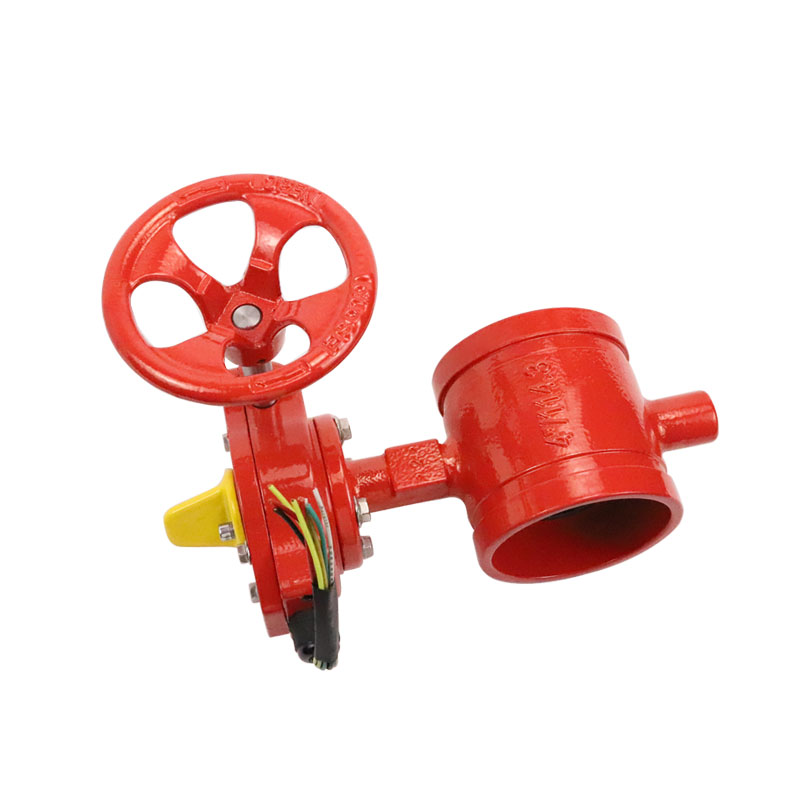
One of the most impactful ways to boost efficiency in fluid control systems is through the integration of smart sensors and IoT-enabled devices. These components provide real-time data on parameters like flow rate, pressure, and temperature, allowing for proactive adjustments that minimize energy consumption and reduce waste. By automating responses to changing conditions, systems can operate at optimal levels without constant manual oversight, leading to significant improvements in overall performance and resource utilization.
Advanced materials, such as corrosion-resistant alloys and self-lubricating polymers, play a crucial role in enhancing efficiency by extending the lifespan of components and reducing maintenance needs. Unlike traditional materials that degrade quickly under harsh conditions, these innovations ensure smoother operation and fewer breakdowns, which translates to lower operational costs and increased reliability over time. This focus on durability not only saves money but also supports sustainable practices by lessening the frequency of replacements and repairs.
Another key feature is the implementation of modular designs, which offer flexibility in scaling or modifying systems to meet specific demands without requiring complete overhauls. This approach allows for easy upgrades and integration of new technologies, enabling users to adapt to evolving industrial needs efficiently. By avoiding rigid structures, fluid control systems can maintain high efficiency across diverse applications, from small-scale operations to large industrial plants, ensuring versatility and future-proofing investments.
Performance Advantages for Various Industrial Applications
Across diverse industrial settings, the standout performance benefits often stem from innovative materials and precision engineering that boost operational efficiency and durability. For instance, in heavy manufacturing, advanced alloys reduce wear and tear, leading to less frequent maintenance and longer machine lifespans. This not only cuts costs but also minimizes downtime, allowing production lines to run smoother and more reliably day in and day out. Companies are seeing real-world gains, from improved output rates to enhanced product quality, making these advantages a game-changer in competitive markets.
In sectors like robotics and automation, performance advantages translate into enhanced accuracy and faster cycle times, which are critical for meeting tight deadlines and complex specifications. By integrating smart sensors and adaptive controls, systems can self-optimize, reducing errors and boosting throughput. This flexibility helps businesses adapt to changing demands without costly overhauls, giving them an edge in dynamic environments where precision and speed are paramount.
Looking at energy-intensive industries such as oil and gas, performance improvements often center on sustainability and resilience. Technologies that optimize energy use or withstand harsh conditions not only lower environmental impact but also ensure uninterrupted operations. For example, corrosion-resistant coatings and efficient heat exchangers extend equipment life while conserving resources, demonstrating how modern solutions can achieve both economic and ecological goals effectively.
Installation Tips and Best Practices for Optimal Operation
To kick off the installation process, first ensure that all necessary components are readily available. A common oversight is neglecting to check compatibility with existing systems, so take a moment to verify software versions and hardware requirements beforehand. This proactive approach not only streamlines setup but also minimizes potential interruptions down the line.
When positioning the equipment, consider environmental factors like proper ventilation and stable surfaces to enhance longevity. For instance, placing devices in areas with regular airflow can prevent overheating, a frequent culprit behind performance dips. It's these small, thoughtful adjustments that often make a big difference in maintaining smooth, uninterrupted usage.
After installation, run through a few calibration steps to fine-tune settings for your specific conditions. Rather than just sticking to default configurations, experimenting with adjustments like sensitivity or timing can lead to more tailored and efficient outcomes. Regular, light maintenance checks will help keep everything running optimally over time.
Maintenance Strategies to Prolong Valve Lifespan and Reliability
Implementing proactive maintenance routines is key to extending valve longevity and ensuring consistent performance. Instead of waiting for failures to occur, regular inspections help catch minor issues like leaks or corrosion early on. By scheduling these checks based on usage patterns, you can prevent costly downtime and keep valves operating smoothly over time.
Selecting the right cleaning methods and lubrication materials tailored to your valve type and environment can significantly boost reliability. For instance, using compatible lubricants reduces wear on moving parts, while gentle cleaning prevents damage to seals. This approach minimizes friction and maintains optimal function, making valves more resilient in demanding conditions.
Documenting maintenance activities and training staff on best practices creates a sustainable cycle of care. When teams understand how to handle valves properly and track their history, it leads to smarter decisions and fewer errors. Over the long term, this cultivated attention to detail fosters a culture that prioritizes equipment health, directly contributing to extended service life and fewer disruptions.
Comparing Grooved Butterfly Valves to Other Valve Types
When evaluating grooved butterfly valves against alternatives like ball valves, gate valves, or globe valves, key differences emerge in design and functionality. Grooved butterfly valves feature a disc that rotates 90 degrees for flow control, offering a relatively compact and lightweight profile, which contrasts with the bulkier gate valves that use a rising stem mechanism. Compared to ball valves, which utilize a spherical element for sealing, butterfly valves often provide faster operation and lower torque requirements, though ball valves may excel in tight shut-off applications. This makes grooved butterfly valves a practical choice where space is limited and quick, frequent actuation is needed, particularly in piping systems that facilitate easy installation via grooved connections.
In terms of performance, grooved butterfly valves stand out for their cost-effectiveness and versatility in handling moderate pressure and temperature ranges, while other types like globe valves are better suited for precise throttling and high-pressure scenarios. Unlike gate valves, which can suffer from seat wear over time, butterfly valves' sealing surfaces are less prone to damage, leading to improved durability in many industrial settings. However, they might fall short compared to check valves in preventing backflow or to diaphragm valves in handling corrosive fluids. By focusing on these operational nuances, users can better match valve types to specific system demands, ensuring optimal efficiency and reliability.
Maintenance and installation also reveal distinctions: grooved butterfly valves often simplify upkeep with fewer moving parts and easy access for inspection, whereas other valves like plug valves might require more frequent disassembly. This advantage, combined with their adaptability across various industries from HVAC to water treatment, underscores why grooved butterfly valves remain a popular option. Ultimately, the choice depends on balancing factors like flow control needs, environmental conditions, and long-term costs, highlighting that no single valve type is universally superior but rather tailored to unique application challenges.
FAQ
UL FM grooved butterfly valves are designed with precision-engineered discs and seals that minimize pressure drop and turbulence, leading to smoother flow and reduced energy consumption in fire protection systems.
They are tested and certified to meet UL and FM standards for reliability, featuring robust construction with corrosion-resistant materials that withstand harsh environments and frequent operation without failure.
Yes, the grooved connection design allows for quick installation and modularity, enabling seamless retrofitting or upgrades without extensive downtime or specialized tools.
Regular inspection of seals and actuators, along with periodic lubrication and cleaning, helps prevent leaks and ensures long-term durability, aligning with industry best practices for fire safety equipment.
The compact, lightweight design with a 90-degree rotary operation provides fast, precise throttling and shut-off, reducing water hammer and optimizing fluid dynamics for consistent pressure management.
They are ideal for commercial buildings, industrial facilities, and municipal water systems where fire suppression reliability, space constraints, and ease of maintenance are critical priorities.
Conclusion
The UL FM certified grooved butterfly valves represent a pinnacle in fluid control technology, designed with an innovative construction that integrates a grooved end connection system for rapid installation and secure sealing. Understanding their design reveals a robust disc mechanism and resilient seat material that minimizes pressure drop and enhances flow efficiency, making them ideal for various industrial applications from fire protection to HVAC systems. Key features such as bidirectional sealing capability, low torque operation, and corrosion-resistant materials contribute significantly to superior performance, reducing energy consumption and maintenance costs while ensuring reliable operation under demanding conditions.
Performance advantages extend across diverse settings, where these valves excel due to their compact design and easy integration into existing systems, as highlighted by installation tips emphasizing proper alignment and torque settings for optimal function. Maintenance strategies focus on regular inspections and lubrication to prolong lifespan, contrasting favorably with other valve types like gate or globe valves, which often require more space and higher upkeep. By combining efficiency, durability, and user-friendly features, top UL FM grooved butterfly valves stand out as a versatile and high-performance choice, delivering consistent results in fluid management while meeting rigorous safety and certification standards.
Contact Us
Contact Person: George
Email: [email protected]
Tel/WhatsApp: 13863633883
Website: https://www.es-fire.com