

Top Polyurethane Production Line Supplier for High-Quality Manufacturing Solutions
2026-11-16
When searching for a top polyurethane production line supplier, the stakes go beyond price tags—consistency, uptime, and material precision make or break your output. Yet most manufacturers still settle for lines that underperform. YI ZHOU TECHNOLOGY offers a different path: high-quality manufacturing solutions engineered for real production floors, not just glossy brochures. In the sections ahead, we'll show you exactly what separates the best from the rest.
How a Reliable Polyurethane Production Line Cuts Downtime and Boosts Output
A dependable polyurethane line earns its keep in the moments that don't show up on a spec sheet. When metering pumps hold calibration across shifts and mix heads stay free of gradual crystallization, operators stop chasing small variances and start trusting the process. That trust translates directly into fewer unscheduled stops, less scrap from off-ratio foam, and a steady rhythm that keeps downstream equipment fed.
The biggest downtime risk in polyurethane processing is rarely a single catastrophic failure. It is the slow drift of temperature, pressure, or ratio that forces adjustments mid-run. Lines built with redundant temperature control, self-cleaning mixing chambers, and real-time viscosity monitoring catch these drifts before they become rejects. As a result, planned maintenance fits into natural production windows instead of interrupting peak demand.
Output gains come from the same source as uptime gains: repeatability. When every board, block, or molded part cures under identical conditions, cycle times can be shortened without risking under-cure. Reliable equipment allows tighter scheduling, faster changeovers between formulations, and fewer quality holds. The line becomes less of a constraint and more of a multiplier, turning steady operation into higher daily volume without adding shifts or floor space.
Key Design Features That Separate Premium PU Machinery from Standard Lines
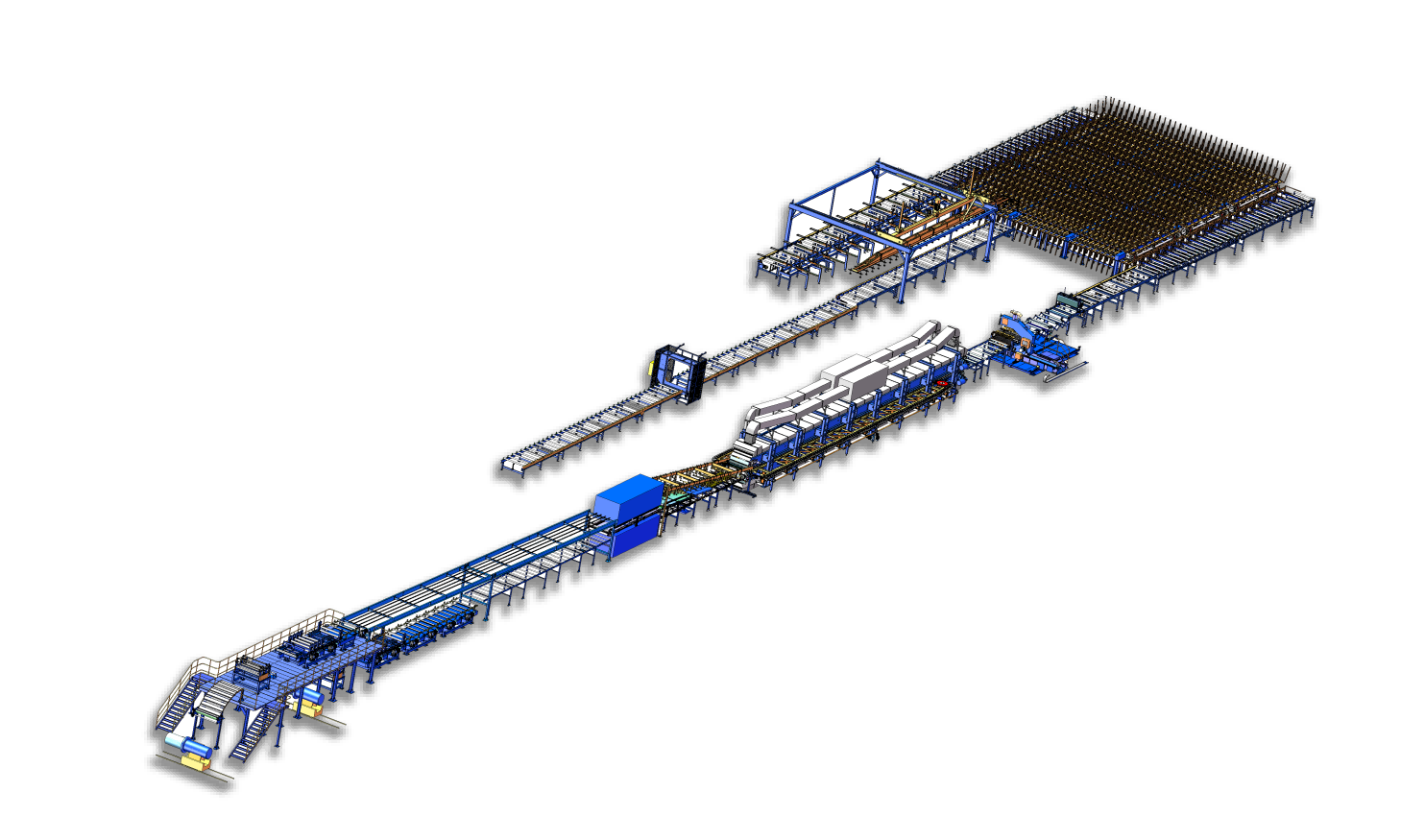
What truly separates a premium PU machine from a standard line isn't the paint job or the logo on the control panel. It's the way the mixing head is integrated into a sealed, temperature-stable chamber—no dead zones for uncatalyzed material to cure into stubborn crusts. On cheaper equipment, you'll find open gear drives that wear down and throw off the ratio; high-end builds use direct-coupled servo motors with closed-loop feedback, constantly adjusting for viscosity drift from barrel to barrel.
Another giveaway is the frame and rail system. Standard machines often rely on bolted-together steel profiles that flex under load, causing the pour pattern to shift by half a millimeter over a long run. Premium designs machine the base from a single cast slab, then stress-relieve it in an oven before precision grinding the guide ways. That kind of stiffness means the metering pumps hold a true 1:1 ratio even when ambient temperature in the plant swings from morning chill to afternoon heat. And when you compare the hose bundles—premium units route each chemical line in individually insulated, heated jackets with dedicated thermocouples, not one shared heating tape wrapped around all four lines.
Material Handling and Mixing Precision in Modern Polyurethane Systems
Getting polyurethane formulations right starts long before the mixer spins up. Raw isocyanates and polyols demand almost fussy handling—moisture ingress can quietly wreck stoichiometry, while temperature swings turn viscosity into a moving target. Well-designed feed systems keep each stream under tight thermal control and blanket inert gas where needed, but the real difference often shows in how a plant manages day-to-day details like drum changeovers, filter pressure drops, and line purging.
Mixing precision is less about raw horsepower and more about repeatability. Modern high-pressure impingement mixers rely on precisely matched orifice sizes and controlled recirculation so the two components collide at the right velocity every cycle. Even a few milliseconds of lag in valve timing or a slight drift in metering pump output can shift the ratio enough to change cure profile or surface finish. That’s why continuous calibration against mass flow meters—not just volumetric assumptions—has become standard practice in demanding applications.
One underappreciated factor is how quickly small errors compound. A 0.5% ratio drift might pass a short bench test yet create soft spots or adhesion failures weeks later in the field. Forward-thinking lines address this by closing the loop: in-line viscosity or NIR sensors feed data back to the dosing controls, allowing the system to trim individual component flows before the mix head even notices. This level of control turns material handling from a logistics chore into an active part of quality assurance.
Scaling Polyurethane Production Without Sacrificing Quality or Consistency
Moving from pilot batches to full-scale polyurethane output often exposes hidden variables that lab trials never reveal. The real challenge isn't simply increasing mixer size or adding more molds; it's maintaining the exact exotherm profile, degassing window, and gel time across every vessel. Teams that rush this stage tend to see density drift, surface voids, or hardness variations between morning and afternoon pours, even when the raw material lots remain unchanged.
A more dependable route is to anchor each scale-up step to physical measurements rather than recipe assumptions. Tracking viscosity buildup, rise time, and shore hardness at multiple points in the production run gives you a fingerprint for the process. When those numbers stay within a narrow band, you can push volume without inheriting the usual defects. If the band starts to widen, it's usually a sign that mixing energy, ambient humidity, or dispense timing has shifted, not that the formulation itself has failed.
Consistency at scale also depends on how workers interact with the equipment. A manual pour that works beautifully for 50 units can fall apart at 500, not because the chemistry changed, but because operator fatigue and subtle motion differences alter the way air gets trapped or the mold fills. Replacing that variability with simple, repeatable tooling, even something as basic as a fixed-height dispense head or a temperature-controlled holding tank, often does more for batch-to-batch uniformity than any exotic additive.
What Top Suppliers Reveal About Cost Lead Time and After-Sales Support
Top suppliers rarely lead with the lowest sticker price. Instead, they walk you through a total cost breakdown that includes tooling, packaging, minimum order thresholds, and tariff classifications. This level of transparency helps you spot where a slightly higher unit cost actually eliminates downstream spending on rework or custom clearance delays.
On lead time, the best vendors share real production schedules rather than optimistic promises. They flag potential bottlenecks early—raw material shortages, mold maintenance, holiday shutdowns—and offer practical alternatives like partial shipments or adjusted specs. That honesty keeps your inventory planning grounded instead of reactive.
After-sales support is where top suppliers separate themselves. They maintain a dedicated technical contact, keep critical spare parts in stock, and follow up after delivery to confirm the product works in your application. You are not chasing a salesperson for answers; you get direct access to engineers who can troubleshoot quickly and document fixes for future orders.
Customizing Your Polyurethane Line for Specialty Foams Elastomers and Coatings
Tuning a polyurethane line for specialty foams, elastomers, and coatings starts with understanding how the soft segment and hard segment ratios shift performance. Instead of chasing a single universal formulation, treat each product family as a separate dial: for foams, you might lean on higher molecular weight polyols and carefully controlled water levels to get that open-cell softness without collapse. For elastomers, the real work often happens in the prepolymer step—adjusting NCO content and chain extender type changes tear strength and rebound far more than most datasheets admit. Coatings, meanwhile, demand a different kind of patience: solvent choice, cure schedule, and surface prep can easily outweigh the resin chemistry itself.
One underused trick is to build a small matrix of test plaques or buns before committing to a full production run. For foams, vary the index and catalyst package in 5-point increments and measure indentation force deflection, not just density. For elastomers, pour thin slabs and run a simple trouser tear test—this will reveal processing flaws like micro-bubbles or uneven hard segment distribution faster than shore hardness alone. Coatings benefit from a stepped cure profile: a low-temperature initial stage to let solvents escape, then a high-temperature post-cure to lock in crosslink density. These small bench-top iterations often save weeks of line downtime later.
Finally, don't ignore the interaction between your polyurethane line's mechanical limits and the formulation itself. A specialty foam that needs slow rise for uniform cell structure may not work on a high-speed pour line without rewetting the mix head. An elastomer with a very short pot life might force you into a meter-mix machine even if your current line is manual. For coatings, viscosity drift during a shift can change film thickness more than the formula. So customize not just the chemistry, but also the way the line feeds, mixes, and cures—otherwise you end up with a great lab sample and a production nightmare.
FAQ
Focus on the supplier's engineering track record, the flexibility of their line configurations, and whether they offer turnkey support from raw material handling to final curing. A supplier with experience across rigid and flexible foam applications can adapt the machinery to your specific output targets.
The best lines use precision metering pumps and real-time temperature control on the mixing head, combined with automated feedback loops that adjust chemical ratios within seconds. This reduces batch variation and keeps physical properties stable across long runs.
Some suppliers design modular lines that switch between continuous block production and discontinuous molding. The key is a configurable conveyor and tooling interface, so you don't need two separate systems for different product families.
Beyond installation and commissioning, look for remote diagnostics, on-site training for operators, and guaranteed spare parts availability within a defined lead time. Strong suppliers also schedule preventive maintenance visits rather than waiting for breakdowns.
Depending on scope, plan for four to eight months from design freeze to first production run. Factors like safety certification, automation complexity, and factory layout integration can shift the timeline, so the supplier should provide a detailed Gantt chart before contract signing.
Yes, modern lines incorporate variable frequency drives on conveyors and high-efficiency heating zones that recover exhaust heat. Some suppliers also offer closed-loop cooling for molds, which can cut energy use by 15-25% compared with older open systems.
You'll find them in automotive seating and interior parts, insulation panels for construction, refrigeration appliances, footwear, and specialty elastomer components. The line's versatility determines how many of these segments you can serve with one investment.
Temperature and moisture control for polyols and isocyanates directly affect reaction speed and final product quality. A properly designed line includes nitrogen blanketing, inline filtration, and heated storage to prevent crystallization and contamination before mixing.
Conclusion
In polyurethane manufacturing, the reliability of your production line is what separates a smooth-running operation from one plagued by unexpected stoppages. Top suppliers understand that downtime isn't just a minor inconvenience—it directly eats into delivery schedules and profit margins. The best equipment on the market integrates robust mixing heads, precision metering pumps, and intelligent temperature control that work together to keep material flowing consistently. When a line is designed with redundancy in critical components and easy-access maintenance points, small issues get resolved before they snowball into major failures. This practical approach to engineering is what allows a high-quality system to boost output without requiring constant operator intervention. Beyond just keeping machines running, the real advantage comes from material handling and mixing precision. A well-calibrated system doses polyol and isocyanate to within fractions of a gram, eliminating the batch-to-batch variation that often plagues standard lines. That level of accuracy becomes especially important when you're producing foams or elastomers where physical properties depend on exact stoichiometry.
Scaling up production doesn't have to mean sacrificing quality, but it does require a supplier who thinks in terms of modular expansion rather than one-size-fits-all solutions. Premium machinery often includes features like adjustable mixing chamber geometries, variable speed drives, and recipe management software that let you shift from small specialty runs to high-volume output without recalibrating every parameter. For niche applications—specialty foams, high-resilience elastomers, or spray coatings—the ability to customize the line becomes a decisive factor. A supplier worth partnering with will sit down with your engineers, map out your specific viscosity ranges and cure profiles, and then configure the line accordingly. Of course, technical excellence only matters if the commercial terms hold up. Transparent cost breakdowns, realistic lead times, and a service team that actually answers the phone after installation are all part of the package. The strongest suppliers don't disappear once the equipment is commissioned; they provide training, spare parts programs, and remote diagnostics that keep your line running years down the road. In an industry where a single production halt can mean missing a client's deadline, choosing a partner who treats your uptime as their own metric is the smartest investment you can make.
Contact Us
Contact Person: Sophia Jiang
Email: [email protected]
Tel/WhatsApp: +86 17367381818
Website: https://yzwelding.com/