

Top Commercial Fitness Machines That Maximize Gym Performance
2026-11-02
Walk into any serious commercial gym and you'll spot the same problem: rows of equipment, but only a few machines actually drive real performance. The rest just take up space. That's why we put together this no-fluff guide to the top commercial fitness machines that truly maximize gym performance. Whether you're building a new facility or revamping a tired floor, every square foot needs to earn its keep. At Yingruis, we've seen firsthand how the right machine choices boost member results, retention, and revenue. So before you spend another dollar, let's cut through the hype and focus on what actually works.
The Treadmill Specs That Actually Matter When the Gym Gets Busy
You know that moment when you finally grab a treadmill at 6 p.m. and the machine next to you is already whining like a jet engine? Peak-hour gym sessions expose specs that spec sheets love to hide. Continuous horsepower (CHP) matters more than the inflated peak number. A motor rated at 3.0 CHP will hold speed when a heavy runner lands mid-stride, while a 2.5 CHP unit will dip and surge, making you feel like you're running through mud. In a packed gym, machines get zero cooldown between users, so the drive system has to ramp up to 8 mph in under two seconds without tripping a breaker or throwing you off balance.
Belt width and surface texture get ignored until someone tall steps on behind you. A 20-inch-wide belt with a 55-inch length is the bare minimum for anyone over six feet; below that, your stride shortens and you risk clipping the front roller. Sweat is the real enemy during rush hour. A belt with a subtle diamond or brushed texture stays grippy when damp, while a slick commercial belt turns into a slip-and-slide after three sweaty users. The deck underneath matters too—too stiff and your knees feel every footfall after 20 minutes; too soft and the belt drags, forcing the motor to work harder and heat up faster.
Console design tells you instantly whether a gym bought treadmills for show or for actual traffic. Touchscreens look fancy but fail when your fingers are sweaty or you're mid-run and need to drop the speed by 2 mph without staring at a laggy menu. Physical quick-adjust buttons for speed and incline, placed on the side rails or within thumb reach, save you from face-planting. Heart rate monitoring should accept a chest strap; the metal grip sensors are useless at speed and often give readings 10–15 bpm off. Finally, listen to the belt and motor noise during peak hours—if three adjacent treadmills sound like a wind tunnel, no one can hear their own footfalls, and that constant roar grinds on you after 40 minutes.
Why a Quality Rower Is the Unsung Hero of Group Cardio
Most group cardio conversations revolve around treadmills, bikes, and the occasional battle rope, but the rower rarely gets the spotlight it deserves. A well-built rower engages nearly 86% of your muscles with every stroke, blending lower-body drive, core stability, and upper-body pull into one fluid motion. Unlike a treadmill that can feel monotonous or a bike that isolates the legs, the rower demands coordination and rhythm, turning a group session into a collective push-and-glide that keeps everyone moving in sync without the jarring impact.
What makes a quality rower stand out is how it rewards technique over brute force. The best machines use smooth magnetic or water resistance, letting you feel the catch, drive, and recovery without the clunky chain yank of cheaper models. In a group setting, that smoothness matters—when a dozen people row together, the soft whoosh of a well-engineered flywheel creates a meditative backdrop, while a jerky, loud machine breaks the flow and forces everyone to fight the equipment instead of enjoying the burn. It's the difference between a shared exhale and a room full of frustrated grunts.
Beyond the mechanics, a rower is a quiet equalizer. Tall or short, seasoned athlete or first-timer, the machine meets you where you are—resistance scales with how hard you push, not how much you weigh or how fast you can spin. That inclusiveness makes it a secret weapon for group cardio: everyone can row at their own intensity while still feeling part of the same wave. Next time you're picking a station for a circuit, give the rower a second look. It might just be the unsung hero your group workout has been missing.
Elliptical Features That Help Members Log More Miles Without Burnout
A well-designed elliptical can feel almost invisible under your stride, but the subtle engineering makes a huge difference in how far you can go before fatigue sets in. Look for a model with a natural, slightly rearward pedal path that mirrors the motion of walking or jogging rather than a steep, choppy up-and-down. This gentle arc keeps your hips and knees aligned, so you can settle into a rhythm and let the miles add up without your joints complaining first.
Resistance and incline adjustments matter more than flashy touchscreens. The best machines let you shift the ramp angle and magnetic resistance in small, predictable increments, so you can mimic rolling hills without jolting your muscles. A low step-up height and balanced flywheel also help you maintain momentum with less effort, making it easier to stay in a steady aerobic zone instead of constantly fighting the machine.
Finally, pay attention to the handlebars and pedal spacing. Grips that allow multiple hand positions—from a light touch for balance to a full push-pull for upper body engagement—distribute the workload and let you change your posture on the fly. Wide, cushioned pedals with a slight inward tilt reduce foot numbness, so you can keep logging distance long after the initial novelty of a new routine wears off.
One Cable Machine, a Dozen Exercises: Why Gyms Are Cutting Single-Use Stations
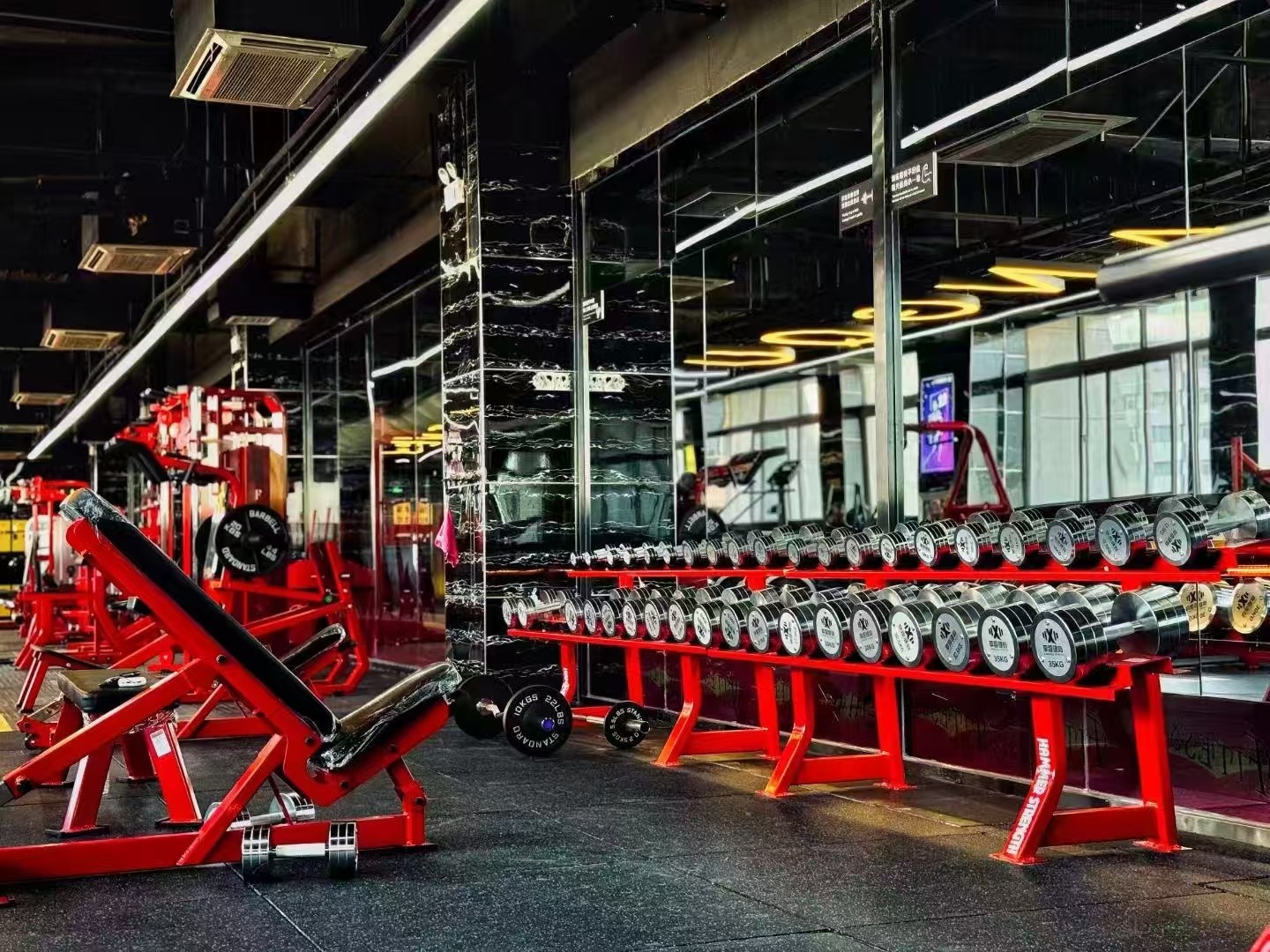
Walk into a modern gym and you'll notice something missing: the long rows of leg extension machines, preacher curl benches, and pec decks that once defined the serious weight room. In their place, a cluster of adjustable cable towers stands ready, each one capable of handling press downs, rows, flyes, lateral raises, and a dozen other movements with a quick pin adjustment and a different attachment. The shift isn't about saving space alone, though that's a happy byproduct. It's about breaking away from the idea that every muscle needs its own dedicated piece of equipment.
Single-use stations do one thing well, but they do it in exactly one way. That's fine if you're a bodybuilder chasing a very specific pump, but it's a poor fit for the average member who wants variety, functional strength, and a workout that doesn't require waiting for the one machine everyone else wants. A cable tower with adjustable pulleys and a handful of handles can mimic almost any pressing, pulling, or curling pattern while also letting you train rotation, anti-rotation, and single-limb stability. No dedicated machine needed.
Gym owners see the math clearly: one high-quality cable machine costs less than three or four specialized stations, takes up a fraction of the floor space, and attracts a wider range of members. It also cuts down on repair headaches, since there are fewer moving parts per exercise and far less upholstery to tear. The result is a weight floor that feels less like a museum of iron and more like a playground for movement, where the question isn't "which machine can I use?" but "what can I make this one do today?"
Recumbent Bikes: The Membership Retention Tool Most Gyms Overlook
Walk into almost any gym and you’ll spot a row of recumbent bikes tucked against the back wall, often with a layer of dust on the seats. That quiet corner might be the most underused retention asset in the entire facility. While treadmills and squat racks get the spotlight, recumbent bikes quietly solve a problem that drives members out the door: accessibility. Older adults, members recovering from injury, and beginners who feel intimidated by upright cardio equipment often quit because they can’t find a comfortable, low-impact option. A recumbent bike offers exactly that—sit back, pedal, and still get a solid workout without knee strain or balance worries.
The retention value goes beyond just providing a machine. It’s about sending a message that the gym welcomes every body, not just the already fit. When a member with lower-back pain or a recent joint replacement discovers they can exercise without pain, they’re far more likely to renew month after month. Yet most gyms treat recumbent bikes as an afterthought—pushed into tight rows, rarely maintained, and never featured in onboarding tours or group programming. That’s a missed opportunity. A quick floor plan shift, a dedicated “comfort cardio” zone with good sightlines and a fan, and a trainer-led intro session can turn those dusty seats into a loyalty engine.
Ask any long-term member why they stay, and you’ll rarely hear “because of the squat rack.” You’ll hear about the machine that let them keep moving after surgery, or the staff member who showed them how to adjust the seat just right. Recumbent bikes might not trend on social media, but they earn quiet, steady retention that no high-intensity boot camp can match. The gyms that figure this out first will keep members for years, while the rest wonder why their older and rehabbing clientele quietly walk out the door.
Strength Machines That Give Trainers Real Data Instead of Guesswork
For years, a trainer's eye was the only sensor in the room. You'd watch a client grind through a squat and guess whether the last rep was truly close to failure or just ugly. That guesswork fades fast when the machine itself starts measuring every push and pull. Strength equipment now ships with built-in load cells, position sensors, and velocity trackers that turn each repetition into a small data point—no extra wearables or clip-on gadgets required.
The real value isn't the number on the screen; it's what the number lets a trainer do next. If bar speed drops below 0.3 meters per second on a bench press, you know the client is nearing failure even if their face says otherwise. If left-leg force is 15% lower than right-leg force during a leg press, that's a cue to address imbalance before it becomes pain. These machines display force, power, tempo, and range of motion in real time, so adjustments happen mid-set rather than three sessions later.
This shifts programming from a static spreadsheet to a feedback loop. A trainer can set a velocity-based target—say, every rep above 0.5 m/s—and the client gets a green or red light instantly. Over weeks, the data reveals trends that a notebook never could: a plateau in power despite added load, or a sudden drop in eccentric control after a bad night's sleep. The result is training that adapts to what the body actually does, not what it's supposed to do.
FAQ
Look beyond the rows of shiny selectorized units. The real workhorses tend to be a heavy-duty leg press that allows deep range of motion, a cable crossover for unilateral and rotational work, and a commercial air bike or rower that punishes without beating up joints. These pieces get used daily, handle high volume, and give measurable progression—whether it's more plates, more watts, or faster 500-meter splits.
Skip the single-purpose machines that collect dust. Anchor the space with a couple of dual-adjustable pulley systems, one plate-loaded leg press, and a compact functional trainer with a pull-up bar. Then use dumbbells and kettlebells to fill the gaps. This gives you push, pull, squat, hinge, carry, and rotational patterns in a fraction of the footprint.
Daily walk-throughs matter more than quarterly deep cleans. Check cable tension and fraying every morning, wipe down guide rods, and listen for unusual noise on belts and chains. Keep a log of usage hours and replace high-wear parts—like treadmill belts and rower straps—before they fail. A machine that's down from 5 to 7 p.m. costs you more than the part.
For dedicated strength areas, yes—especially if you serve lifters who want a natural loading pattern and easy progression. Plate-loaded leg presses, chest presses, and shoulder presses feel more like free weights but with a guided path. If your crowd is mostly beginners or older adults, selectorized stacks win for safety and speed. Many gyms run a mix, with plate-loaded pieces near the free weight zone.
A high-quality commercial rower. It's low-impact, works the whole body, and gives instant feedback on power output, so members can chase numbers without a coach. People who hate running often fall in love with rowing intervals. It also takes up less space than a treadmill and rarely needs repair if you buy a reputable brand.
Look at your actual usage data and member demographics. If your morning crowd is older or has knee issues, extra ellipticals and recumbent bikes will get more use. If you're in a younger, runner-heavy area, treadmills may still rule. A good ratio for a general commercial gym is roughly 40% treadmills, 30% ellipticals, 20% bikes, and 10% rowers or climbers—then adjust based on demand.
Don't just read the years on the frame. Ask about parts, labor, and travel coverage separately. A 10-year frame warranty is useless if you pay $200 per service call for a $20 part. Look for brands that offer quick local service, loaner units during repairs, and replacement parts shipped within 48 hours. Also clarify whether routine maintenance is covered or considered owner responsibility.
It can handle a lot—squats, pressing, pull-ups, sled work, and suspension training—but it's not a complete replacement. Beginners and older adults often need the guided stability of a selectorized machine to build confidence. The smartest layout I've seen puts a functional rig in a central zone, surrounded by a few key machines and a free weight area. That mix keeps everyone training without overcrowding any single piece.
Conclusion
Busy gyms live or die by the equipment members actually want to use, and a few machines quietly do most of the heavy lifting. Treadmills, for example, aren't just about motor size when the floor is packed—what separates a workhorse from a headache are things like deck cushioning that holds up after hundreds of hours, belt tracking that doesn't wander, and quick-adjust speed and incline controls that let members get into intervals without fumbling. In group cardio, a sturdy rower with a smooth chain pull and a seat that stays bolted to the rail becomes the unsung hero; it keeps the class moving and cuts down on mid-session repairs. Meanwhile, ellipticals with low-impact stride geometry and adjustable resistance curves help members log more weekly miles without the joint fatigue that drives people away.
But smart gyms aren't just buying cardio—they're rethinking floor space and member retention. A single well-designed cable machine with adjustable pulleys can replace a dozen single-use stations, freeing up square footage for more high-demand equipment while giving members room to train. Recumbent bikes, often pushed into a corner, actually pull in older members and those in recovery, quietly improving retention because they feel safe and comfortable. And for trainers, the real upgrade is strength equipment that feeds live data—reps, force, tempo, range of motion—back to a tablet or app, so coaching is based on numbers instead of eyeballing form. When all of these pieces work together, the gym stops feeling like a random collection of machines and starts performing like a system built around member outcomes.
Contact Us
Contact Person: Owen Wu
Email: [email protected]
Tel/WhatsApp: 86-15376736259
Website: https://www.yingruisfit.com/