

Top 10 Smart Circuit Breaker Suppliers Leading the Industry
2026-06-30
The global push for energy efficiency is driving a surge in smart circuit breaker adoption. Not all suppliers, however, deliver on the promise of safety, connectivity, and real-time monitoring. Our curated list of the top 10 industry leaders—including SINGI—cuts through the noise to highlight names that truly redefine electrical protection.
Pioneers Rewiring the Future of Electrical Safety
Electrical safety is undergoing a quiet but profound transformation, led by a new generation of engineers and designers who refuse to accept outdated standards. They're not just upgrading old systems; they're rethinking the very architecture of how power flows through our homes, factories, and cities. By embedding intelligence directly into circuits and components, these pioneers are building networks that can anticipate faults before they happen, redirecting energy in milliseconds to prevent fires, shocks, and downtime.
The shift goes beyond hardware. It's a cultural reset that places equal weight on human behavior and smart automation. Workshops and construction sites now use real-time feedback tools that guide workers toward safer practices without being intrusive. Meanwhile, community programs are educating the next generation on the invisible dangers of electricity in ways that stick—through hands-on demos and storytelling rather than dry manuals. The result is a world where safety isn't a layer tacked onto design, but the core logic that drives every decision.
Decoding the Tech That Makes Breakers Truly Intelligent
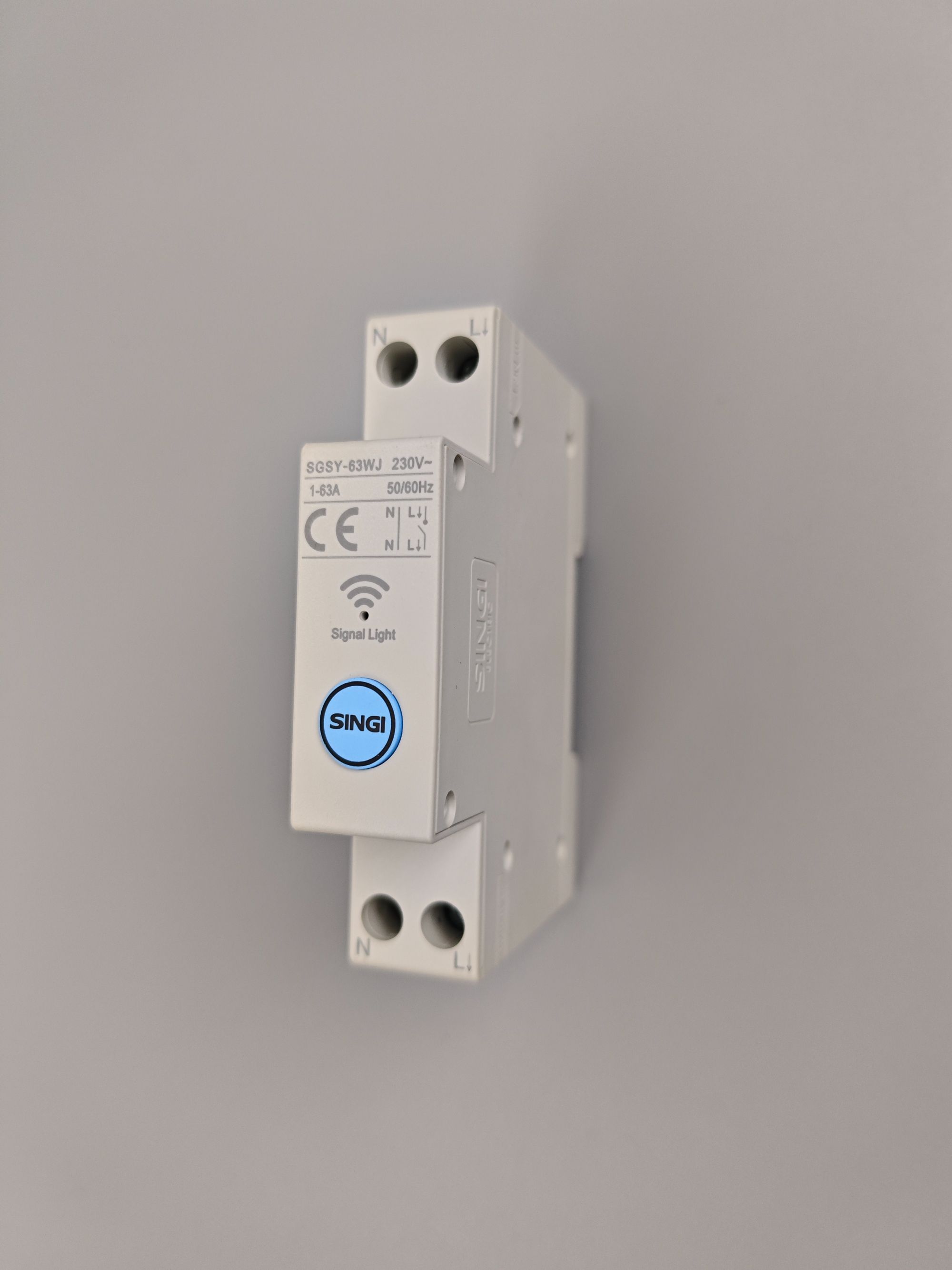
Modern breakers rely on real-time data analytics to monitor electrical currents with microsecond precision. They can distinguish between harmless surges and dangerous arcs by learning the unique electrical signature of each circuit. This adaptive logic means the system continuously refines its trip thresholds based on actual usage patterns, preventing false interruptions while reacting instantly to anomalies.
Embedded sensing arrays measure more than just current flow — they track temperature, voltage quality, and even mechanical wear on contacts. By fusing these signals through neural network algorithms, breakers predict failures before they occur, alerting maintenance systems through edge computing nodes without needing a central server. This distributed intelligence keeps decision-making fast and local, even when connectivity drops.
The real breakthrough lies in how these devices communicate over mixed protocols, from Modbus to wireless mesh, forming a self-healing grid at the panel level. They coordinate with neighboring breakers to isolate faults selectively, restoring power to unaffected zones in milliseconds. Such autonomy transforms a simple safety device into an active participant in energy management, shaving peak loads and extending infrastructure life through granular control.
The Quiet Revolution: Why Smart Breakers Are Now Mainstay
For years, the humble circuit breaker sat unnoticed in gray metal boxes, doing its silent duty. Then came a shift—barely perceptible at first—as smart breakers began replacing those mechanical stalwarts. It wasn't a flashy debut but a gradual infiltration, driven by the pressing need to understand and manage home energy consumption in real time. People wanted more than just on/off protection; they craved visibility into where every watt was going, and that curiosity turned a niche component into a household expectation.
Utility companies and homeowners alike discovered that these new devices could talk back. Through simple apps, a breaker could now signal a overload risk, schedule heavy appliance use for off-peak hours, or even disconnect a circuit remotely when danger loomed. This wasn't just convenience—it was a fundamental rethinking of electrical safety and efficiency. The quiet spread of solar panels and battery storage only accelerated the transition, as managing diverse power sources demanded a smarter panel. Suddenly, the old breaker seemed blind and mute, while its intelligent counterpart became the nerve center of a responsive power ecosystem.
What sealed the deal, though, was the integration into daily life without fanfare. Nobody wakes up thinking about their electrical panel, yet smart breakers now underpin routines by learning usage patterns and trimming waste effortlessly. As building codes and insurers started nudging toward this technology, it crossed a threshold from upgrade to baseline. The revolution was quiet because it happened behind the walls, but today it's clear: a modern home's intelligence isn't just in its voice assistant—it's in the very circuits that keep the lights on.
Profiles of Ingenuity: The Faces Behind Advanced Circuit Protection
Every robust circuit protection system carries the imprint of individuals who refused to settle for conventional limits. These are designers and engineers who see past data sheets—they envision how a fuse can do more than break, how a suppressor can actively predict failure before it happens. Their workspaces often hold prototypes that never made it to market, not because the ideas failed, but because the inventors knew there was a more elegant solution waiting to be uncovered. It’s this relentless refinement, fueled by equal parts curiosity and practicality, that quietly keeps our power grids, factories, and homes safe.
Consider the quiet persistence required to reimagine something as deceptively simple as a circuit breaker. One team spent years testing arc-quenching materials in a cramped lab, rejecting hundreds of compounds until a chance conversation with a ceramics artist pointed them toward a layered composite that could extinguish arcs in half the expected time. Another engineer, captivated by how certain beetles detect infrared heat, borrowed that principle to develop a thermal cutoff that reacts not just to temperature but to the speed of temperature change—affording precious extra milliseconds to disconnect before a surge escalates. These breakthroughs rarely come from following a linear path; they happen when someone stops asking “How?” and starts asking “What if?”
Today’s advanced protection owes as much to obscure insights as to cutting-edge simulation tools. The faces behind the technology are remarkably diverse: a retired utility lineman who sketched a new fault indicators on a napkin, a materials scientist who reverse-engineered a tree’s self-healing bark for conformal coating, a young programmer who rewrote protection algorithms to learn from benign anomalies rather than just react to thresholds. Their stories rarely make headlines, but their fingerprints are everywhere—in the fail-safe that prevents a blackout, the tiny TVS diode that saves a medical device, the automotive fuse that buys enough time for airbags to deploy. Ingenuity in circuit protection isn’t merely about guarding electrons; it’s a discipline of anticipating the unexpected, championed by people whose greatest skill might be their stubborn optimism that the next idea will finally be the one that changes everything.
Real-World Impact: Where Top Suppliers Outperform the Standard
In practice, the difference between a standard vendor and a top-tier supplier becomes starkly apparent under pressure. When a critical component fails or a tight deadline looms, the best suppliers don’t just react—they proactively deploy contingency plans, reroute logistics, or pull from buffer stock they’ve maintained specifically for high-stakes moments. This isn’t marketing spin; it’s the lived reality for clients who’ve seen production lines stay running while competitors scramble. The real-world impact lies not in promises but in the quiet, behind-the-scenes moves that keep operations humming when it matters most.
Beyond crisis management, true outperformance surfaces in how suppliers shape daily operations. They don’t simply meet specifications; they elevate them. By embedding their engineers into a client’s design process or sharing proprietary efficiency data, they help teams cut waste and boost throughput in ways that a standard contract never covers. This collaborative glue often translates into tangible gains: faster time-to-market, fewer defects, and a supply chain that learns and adapts like a living organism rather than a rigid pipeline.
Perhaps most telling is the compounding advantage over time. While a basic supplier hits agreed-upon metrics and stops there, the best ones continuously mine operational data to spot micro-optimizations across thousands of transactions. They catch fatigue trends in materials before they become failures, or suggest a minor packaging tweak that saves millions in freight. These are the quiet multipliers that separate a transactional relationship from a strategic partnership—one where the supplier’s impact is embedded not just in the product, but in the client’s own resilience and growth trajectory.
Navigating the Selection Maze: What to Look for Beyond the Spec Sheet
Exploring options that look similar on paper often leads to decision fatigue, especially when spec sheets appear nearly identical. The real differentiators tend to emerge only through hands-on use. Paying attention to build quality, ergonomic details, and how intuitive the interface feels can reveal strengths that numbers alone fail to capture. These subtle factors frequently determine whether a product seamlessly integrates into your workflow or ends up as a source of daily frustration.
Another dimension frequently overlooked is the ecosystem and support surrounding a product. A device with impressive internal components might suffer from limited software updates, sparse accessory compatibility, or an unresponsive customer service team. Investigating the manufacturer’s track record for after-sales care, community forums, and third-party integration can save significant headaches over the product’s lifespan. Long-term reliability often matters more than initial peak performance.
Finally, consider the less tangible aspects: the ethos of the company behind the product, their commitment to sustainability, and how transparent they are about limitations. A spec sheet can promise cutting-edge features, but actual user experiences—found in detailed reviews and discussion threads—might highlight recurring issues or hidden compromises. Taking the time to dig into real-world usage scenarios often clarifies whether a product truly delivers on its promises or merely excels in marketing benchmarks.
FAQ
Smart circuit breakers are advanced electrical safety devices that integrate digital monitoring and remote control capabilities. They allow real-time energy tracking, fault detection, and automated shutoffs, making them essential for modern smart homes and industrial energy management systems.
Industry leaders include companies like Schneider Electric, Eaton, Siemens, ABB, and Leviton, each bringing unique features like AI-driven load balancing, wireless connectivity, and seamless integration with home automation platforms.
By providing granular consumption data and enabling load scheduling, smart breakers help users identify energy waste, optimize usage patterns, and reduce electricity bills through predictive maintenance and demand-response capabilities.
Important features include real-time monitoring via mobile apps, compatibility with voice assistants, customizable trip curves, over-the-air firmware updates, and robust cybersecurity protections.
Many modern smart breakers are designed as direct replacements for standard breakers, fitting into existing panels with minimal wiring changes. However, some advanced models may require a compatible smart panel hub.
Beyond basic overcurrent protection, smart breakers can detect arc faults, ground faults, and overheating in real time, sending instant alerts and cutting power before a fire hazard develops.
While upfront costs are higher than conventional breakers, the long-term savings from reduced energy waste, avoided damage, and lower insurance premiums can offset the initial investment within a few years.
Conclusion
Smart circuit breakers have quietly moved from niche innovation to a cornerstone of modern electrical infrastructure, driven by pioneers who refuse to accept the old limits of safety and efficiency. These devices are no longer just about tripping during overloads; they now embed real-time analytics, remote control, and predictive maintenance, decoding complex data into actionable insights for homeowners and facility managers alike. The technology behind them—wireless communication, load disaggregation, and cloud-based intelligence—turns a simple switch into a sentinel, monitoring consumption patterns and flagging anomalies before they become hazards. This quiet revolution has made intelligent breakers a mainstay in everything from residential panels to vast industrial grids, where every millisecond of response time and every watt saved counts toward a safer, greener future.
Behind the surge in adoption stand suppliers whose ingenuity shapes the market, each bringing distinct strengths to circuit protection. Profiles of leading companies reveal a common thread: a relentless focus on real-world impact, where their products outperform standard breakers by slashing downtime, preventing electrical fires, and enabling seamless integration with renewable energy systems. When navigating the selection maze, it’s crucial to look beyond the spec sheet—considering factors like firmware update frequency, interoperability with existing smart-home ecosystems, and the supplier’s track record in cybersecurity. The top 10 suppliers leading the industry today aren’t just selling hardware; they’re redefining electrical safety with scalable, future-ready platforms that adapt as our energy needs evolve, proving that true innovation lies in the details that keep the lights on and the risks at bay.
Contact Us
Contact Person: Jack
Email: [email protected]
Tel/WhatsApp: (+86) 13757759651
Website: https://www.singi.com