

Professional Face Lifting Device: What to Look For Before You Buy
2026-09-09
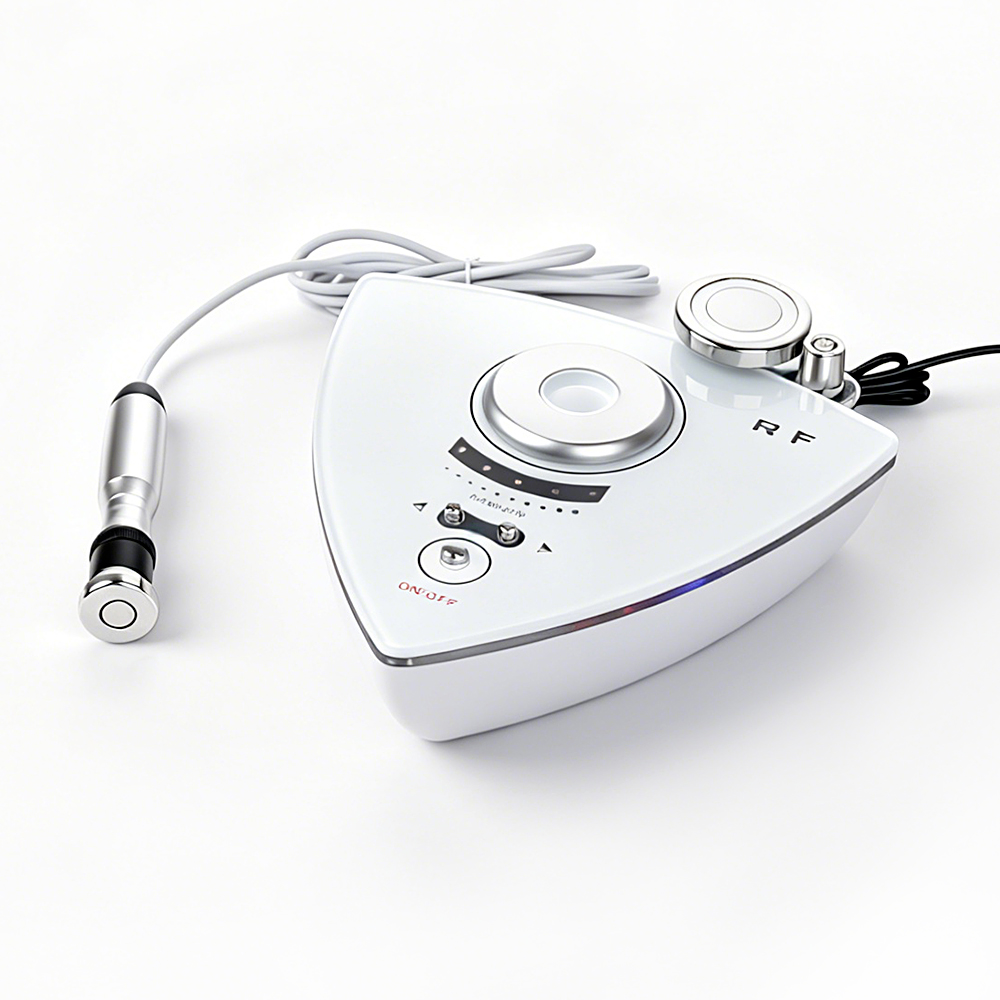
A professional face lifting device promises a non-surgical lift, but not all tools deliver real results. Before you invest, you need to know which technologies actually firm and contour the skin—and which are just hype. Whether you're targeting sagging jawlines, fine lines, or dull texture, the right device can make a visible difference in weeks. Among the brands worth considering, Omeina has gained attention for its focused approach to at-home lifting. But what exactly should you look for in a quality device? From microcurrent intensity to safety features and skin compatibility, each factor matters more than you might think. Here's the essential checklist to guide your purchase—so you don't waste money on gimmicks.
Which Lifting Tech Actually Reaches Deeper Skin Layers?
Many devices on the market promise a lifted appearance, but most only polish the surface or heat the uppermost dermis. The ones that genuinely reach the deeper structural layers fall into two main categories: high-intensity focused ultrasound (HIFU) and radiofrequency microneedling. Both create controlled thermal injury well below the skin surface, which forces the body to rebuild collagen and elastin in areas that actually support facial contours.
HIFU works by focusing ultrasound energy at precise depths, typically 3mm to 4.5mm, hitting the SMAS layer the same plane surgeons pull during a facelift. Radiofrequency microneedling, on the other hand, uses insulated needles to deliver heat directly into the mid-to-deep dermis without burning the epidermis. Some newer fractionated lasers, such as the 1550nm or 1927nm wavelengths, can also reach the deeper dermis, but their effect on structural support is usually less dramatic than ultrasound or RF when used for true lifting.
Depth alone, however, is not a guarantee of results. A machine may claim to reach 4mm, but if the energy is scattered or the treatment is not repeated consistently, the collagen response will be weak. Ask for visible before-and-after images that show changes in jawline definition and cheek volume, and avoid being swayed by surface-level redness or temporary swelling. Real deep-layer lifting takes time to appear, usually two to six months, because the body needs that period to lay down new supportive tissue.
Why 'Clinically Tested' Claims Deserve a Closer Look
The phrase "clinically tested" sounds reassuring, but it often means very little. A product can be tested in a tiny, poorly designed study, or the test might not even be relevant to the product's actual use. It doesn't guarantee effectiveness or safety.
Many brands use the term because it implies scientific backing without actually providing proof. Unlike "clinically proven," which suggests a higher standard, "clinically tested" sets a low bar. It could mean the product was merely given to a few people in a lab, and the results were never published or peer-reviewed.
Consumers should look for specifics: who conducted the test, how many participants, what was measured, and where are the results? Without these details, "clinically tested" is little more than a marketing buzzword.
Matching Device Intensity to Your Skin's Tolerance Level
Skin tolerance varies more than most device manuals admit. A setting that feels like a gentle hum on one person can trigger redness or a burning sensation on another, especially if the moisture barrier is already compromised. Before treating your face, test the lowest intensity on a small patch near the jaw or behind the ear. Wait a full day. If nothing unusual appears, that's your starting point—not necessarily the level you'll stay at forever, but the one your skin can handle right now.
Pay attention to signals that arrive during or shortly after use. Mild warmth is usually fine; stinging that lingers, blotchy patches, or tightness that shows up hours later means the intensity is outpacing your tolerance. Instead of pushing through, drop down a level or space out sessions. Some skins adapt over a few weeks, others never comfortably move past the middle setting. Neither outcome is a failure—the goal is consistent use without provoking a reaction.
Tolerance also shifts with your environment and habits. After a late night, heavy sun exposure, or a change in weather, your skin may be more reactive than usual. On those days, treat the lowest setting as the default. Keeping a simple note of what you used and how your skin responded the next morning can help you spot patterns faster than relying on memory alone.
Hidden Ownership Costs: Gels, Heads, and Warranty Fine Print
When you buy a printer, the price tag rarely tells the whole story. Gel-based inks, for instance, often cost more per page than standard dye or pigment options, and they can dry out if the device sits idle for weeks. That means you may end up replacing cartridges before they are empty, quietly adding to your long-term expenses.
Printheads are another budget trap. Many entry-level models integrate the printhead into the cartridge, which sounds convenient, but each replacement forces you to pay for a new head even if the old one still works. On higher-end machines, a separate printhead might fail after the warranty expires and cost nearly as much as a new printer to replace.
Finally, warranty fine print often excludes the parts most likely to wear out. Clogged nozzles, dried gel residue, and third-party ink damage are frequent reasons for denied claims. Some manufacturers require you to use only their own supplies or perform regular self-cleaning cycles, and missing a single step can void coverage. Read the terms carefully, or factor in the cost of an extended service plan before you commit.
Safety Checkpoints Most Reviewers Overlook
A checklist usually covers the obvious: guardrails, signage, PPE stations, and emergency exits. But after years of walking sites, the most telling safety gaps are rarely in plain sight. Take floor-level hazards—unmarked transitions, uneven thresholds, or a single step hidden by consistent color. Most reviewers are too busy looking up or ahead to notice that half a trip hazard is just a visual cue away from being invisible.
Another typically skipped checkpoint is how people actually move through a space when they are tired, rushing, or carrying something heavy. A clear path on paper may become a bottleneck near a frequently opened door or a blind corner near a pallet drop. If reviewers only test workflows under ideal conditions, they miss the strain patterns that lead to real incidents.
Lighting also deserves a second look beyond basic luminance readings. Glare on metal surfaces, deep shadows behind machinery, and sudden transitions from bright outdoor areas to dim interiors can hide edges and reduce reaction time. Walk the site at different hours, not just during a formal audit. The hazards that matter most are the ones that only appear when nobody is expecting them.
Real User Experience: From First Try to Month Three
The first time I opened the app, I nearly closed it again. The interface felt sparse compared to the flashy alternatives I’d tried before, and I wasn’t convinced a simple checklist would hold my attention. I set up a basic project for a side gig, added three tasks, and forgot about it until the next morning. That’s when the first small surprise showed up: instead of a wall of notifications, there was a single, well-timed reminder asking if I still wanted to move the deadline. No guilt, no pressure—just a quiet nudge.
By week four, the tool had quietly replaced the messy stack of sticky notes on my desk. I started using the weekly review screen without realizing it was a feature; I just wanted to see what had slipped through the cracks. The real shift came when I stopped treating it as a task manager and began using it as a place to dump my head. Small wins—like finishing a client deliverable two days early or finally remembering to book a dentist appointment—started to stack up. It wasn’t magic, just less mental friction.
Three months in, I can honestly say the biggest change isn’t productivity numbers. It’s the feeling of not carrying every unfinished thing around in my brain. I still ignore tasks sometimes, and I’ve had two weeks where I didn’t open it at all. But coming back doesn’t feel like starting over. That’s the part I didn’t expect: the tool doesn’t punish you for being human, and that made it stick long after the novelty wore off.
FAQ
In the at-home context, 'professional' usually signals that the device uses technology similar to what you'd find in a clinic, like microcurrent, radiofrequency, or LED, but at a lower intensity for safety. It doesn't mean it will give you the same results as a dermatologist's tool. Look for specifics: output levels, treatment head size, and whether the brand has any clinical testing behind it. A true professional-grade home device should have clearly stated power ranges and be designed for sustained use, not just a gimmicky roller with a vague 'lift' claim.
It matters a lot because each technology works differently. Microcurrent targets facial muscles with low-level electrical currents to improve tone and contour. Radiofrequency heats deeper tissue to stimulate collagen over time. Ultrasound can reach even deeper layers for skin tightening. If your main concern is sagging jowls, RF or ultrasound might be more suitable; if you want subtle lifting and improved facial symmetry, microcurrent is a good starting point. Avoid devices that claim to do everything with one tiny wand - physics doesn't work that way.
Yes, but don't over-rely on it. FDA clearance for at-home beauty devices means the product is considered safe for consumer use, not necessarily that it's highly effective. Look for the specific claims on the box: 'FDA-cleared for temporary improvement in facial contour' is much stronger than 'FDA-listed' or 'FDA-registered,' which are often meaningless. In Europe, a CE mark with a notified body number is more meaningful than a self-declared CE. If a brand can't provide the exact clearance number or test data, walk away.
Honestly, no. A home device operates at a fraction of the energy used in professional settings, so it won't deliver the same dramatic, long-lasting results as something like Ultherapy or a surgical facelift. Think of it as maintenance between professional treatments or a preventive tool for early signs of aging. You might see some firmness and improved skin texture with consistent use over months, but expecting a non-surgical lift that rivals a clinic procedure will lead to disappointment. Manage your expectations and you'll be happier with the outcome.
This is often overlooked but critical. People with active acne, rosacea, eczema, or broken skin should avoid microcurrent and RF devices in those areas because they can worsen inflammation. Those with metal implants, pacemakers, or epilepsy should stay away from electrical stimulation devices entirely. Very thin or recently sunburned skin may react poorly to radiofrequency heat. If you're pregnant or nursing, most brands advise against use due to lack of safety data. Always read the contraindications section of the manual before purchasing, and when in doubt, ask a dermatologist.
Consistency beats intensity. Most microcurrent devices require 3-5 sessions per week for the first 4-6 weeks, then 1-2 times weekly for maintenance. RF or ultrasound devices typically call for 1-2 sessions per week over 8-12 weeks because the collagen-building process takes time. Skipping weeks or using it once a month won't do much. If you're not willing to commit to a realistic schedule, save your money. The best device in the world won't work if it sits in a drawer.
Expect to spend between $150 and $500 for a reliable device with proven technology. Below $100, you're mostly getting cheap microcurrent with weak output or a vibrating massager that does little for lifting. In the $250-$400 range, you can find solid RF or combination devices from established skincare brands with proper safety testing. Above $500, you're paying for brand prestige, app connectivity, or extra bells and whistles that rarely justify the price. Focus on the core technology and warranty length, not the luxury packaging.
Plenty. Be wary of words like 'instant facelift,' 'permanent results,' or 'works for all skin types' - these are exaggerated or false. A device that claims to erase wrinkles in one session is lying. Also watch for brands that hide the specific technology name (e.g., just saying 'advanced lifting energy' without explaining if it's microcurrent, RF, or LED). Missing information about warranty, return policy, or the company's physical address is another warning sign. And if all the reviews are five stars with no negatives, those are likely fake.
Conclusion
Before spending hundreds on a professional face lifting device, you need to look past the glossy before-and-after shots. Not every technology actually reaches the deeper skin layers where structural support lives. Radiofrequency and high-intensity focused ultrasound tend to penetrate further than basic microcurrent or LED, but power alone means nothing if the device doesn't suit your own skin. A "clinically tested" badge can be slapped on nearly anything with a small, short-term trial; dig into who was tested, for how long, and whether results were measured by independent labs or just self-reported. Then match output intensity to your tolerance. If your skin flushes easily or you're prone to broken capillaries, a maximum-strength device can do more harm than good.
The less glamorous side is where most buyers get caught. Replacement gels, serum cartridges, and treatment heads can quietly double your yearly cost, so check those prices before checkout and read the warranty fine print for exclusions on wear parts. Safety checkpoints are also easy to miss: automatic shut-off, temperature regulation, and clearance for use near the thyroid or around the eyes should be non-negotiable. Real-world reviews tell the truest story. Many people see temporary plumping in the first week, but the real test comes around weeks eight to twelve—does the lift hold, or are you just chasing hydration? If a device only works while you use it daily and loses effect the moment you stop, it isn't lifting anything. Focus on devices that show gradual, cumulative change without requiring constant, aggressive use.
Contact Us
Contact Person: Tina Liu
Email: [email protected]
Tel/WhatsApp: 8618681405932
Website: https://www.omeinabeauty.com/