
GMP Cleanroom Construction: Choosing the Right Manufacturer for Your Project
2026-08-05
Building a GMP cleanroom isn't just about meeting standards—it's about partnering with a manufacturer that understands your project's unique demands. From design flexibility to material integrity, the right choice can make or break your compliance journey. At GENO Pharmatech, we've seen firsthand how a single oversight in construction can lead to costly delays. So, what should you look for in a cleanroom builder? Let's dive into the essentials.
Reading Past the Sales Pitch: GMP Compliance That Fits Your Reality
Navigating the world of Good Manufacturing Practices often feels like sifting through a glossy brochure where every vendor promises a seamless path to compliance. Yet, the reality for most operations is far messier—tight budgets, legacy equipment, and evolving regulatory expectations rarely align with off-the-shelf solutions. Stripping away the marketing fluff reveals that true compliance isn't about adopting the most expensive technology or the trendiest framework; it's about understanding your unique operational DNA and building a system that works within your actual constraints, not someone else's idealized version of your facility.
The gap between the sales pitch and your daily reality shows up in the details. Consultants tout templated validation protocols, but your team knows the centrifuge in Building 3 has a quirky pressure curve that no generic script accounts for. Software demos promise real-time deviation tracking, yet your paper-based batch records tell a different story of frontline workflows. Bridging this gap means asking uncomfortable questions: Does the solution adapt to our risk profile, or does it force us into a box? Can it handle the blurry line between legacy processes and modern expectations without triggering an audit avalanche? Compliance that fits isn't flashy—it's functional, honest, and occasionally imperfect.
Ultimately, reading past the pitch requires a mindset shift from chasing certifications to cultivating resilience. Instead of measuring success by the number of installed controls, measure it by how quickly your team detects and corrects a drift from spec. Instead of polishing the paperwork, stress-test the system with real-world what-ifs: What happens when that supplier sends a borderline lot on a Friday afternoon? How does your change control hold up under a two-week backlog? These aren't academic exercises; they're the litmus tests of a GMP approach that actually protects patients and your business. The goal isn't to impress an auditor with a pristine story; it's to have a system that stands up when the story gets messy.
Why a Manufacturer’s Floor Plan Portfolio Matters More Than You’d Think
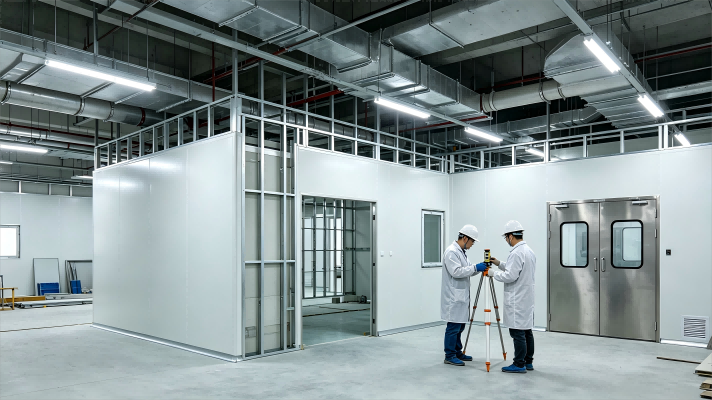
At first glance, a floor plan seems like a simple layout—just walls and doors on paper. But when you’re evaluating a manufacturer, their portfolio reveals far more than square footage. It showcases their design philosophy, attention to flow, and understanding of how real people live. A company with a limited, cookie-cutter selection often lacks the flexibility to adapt to varied lifestyles, while a broad, thoughtfully curated portfolio signals deep industry knowledge and a commitment to client satisfaction.
Subtle nuances in a floor plan collection can uncover crucial details about craftsmanship and foresight. For instance, how a manufacturer handles transition spaces, storage integration, or natural light placement speaks volumes about their build quality and long-term livability. A diverse portfolio isn’t just about having more options—it’s proof that the team has wrestled with challenges across countless sites and scenarios, refining their standards along the way. This depth directly translates into a smoother design process and fewer compromises for you.
Moreover, a manufacturer’s floor plan portfolio acts as a window into their adaptability. Today’s homeowners expect homes that can shift with their needs—from remote workspaces to multi-generational living. When a portfolio features inventive room conversions, flexible zones, and smart spatial tricks, it demonstrates a forward-thinking mindset. Simply put, the range and creativity of those blueprints often predict how well the final home will serve you for decades, not just on move-in day.
Custom Engineering Without the Runaround: Questions That Separate Builders
When you're sourcing custom parts, the last thing you need is a supplier who wastes your time with vague promises and endless back-and-forth. True engineering partners stand out by how they handle your initial inquiry. Instead of generic quotes, they ask pointed questions about load conditions, environmental exposure, and tolerance stacking—details that reveal whether they're prepared to deliver a workable solution or simply trying to land the job.
The best builders cut through the noise by discussing your constraints upfront. They might probe about the end-use environment's vibration profile or the minimum lifecycle cycles you need. These aren't just technical formalities; they signal that the team is already simulating failure modes and material fatigue before a single sketch is made. If a shop can't articulate how your part interacts with the broader assembly, they'll likely cause more headaches than they solve.
Real expertise shows in follow-up questions that challenge your assumptions. A savvy engineer might suggest a subtractive process over additive, or question a wall thickness that's too conservative for the chosen material. When they frame these insights around your timeline and budget—without the usual sales dance—you know you've found a builder who treats your problem as their own, not just another order on the floor.
Material Shortcuts That Can Haunt Your Cleanroom Years Later
We’ve all been there: a critical project is running behind schedule, budgets are stretched thin, and someone suggests a “more affordable” alternative for cleanroom supplies. The wipes are wiped down with a generic substitute, the garments come from a less rigorous source, or the flooring gets a quick fix with a sealant not rated for the environment. In the moment, these material shortcuts feel like harmless compromises—small deviations that keep things moving without immediate consequence. But the real cost of these decisions often remains invisible for years, quietly embedding risks into every process that relies on a truly controlled space.
The trouble is that cleanrooms function as interconnected systems, not just sterile boxes. When you introduce a non-standard material, you’re not just saving money—you’re potentially adding a source of particulate shedding, chemical outgassing, or electrostatic discharge that the original specification was designed to prevent. A cheaper wipe, for example, might pass initial visual inspection but gradually break down with repeated use of cleaning solvents, releasing fibers you’ll never see but your defect rates will eventually reflect. Similarly, a floor finish that seems adequate can slowly degrade under exposure to disinfectants, creating micro-cracks that harbor bacteria or fungal spores. These failures aren’t dramatic; they’re slow, cumulative, and notoriously difficult to trace back to a single decision made years prior.
There’s also the documentation and compliance trap. If a material substitution wasn’t properly validated or recorded, your cleanroom’s certification history becomes unreliable. Auditors, clients, or regulatory bodies may eventually ask for evidence that all components meet the required ISO class or GMP standards. When that record doesn’t exist—or worse, when a failed audit uncovers the deviation—the repercussions can go far beyond a simple retrofit. You might face shutdowns, product recalls, or a permanent loss of trust. Shortcuts have a long memory in this industry, and the materials you choose today will still be speaking for your cleanroom years down the line.
Regulations Aren’t the Ceiling—They’re the Starting Line
Too many organizations treat compliance as the finish line. They scramble to meet the bare minimum, then dust off their hands as if the work is done. But regulations aren't designed to be the pinnacle of excellence—they're the floor, not the roof. When you aim only for what's required, you miss the chance to build trust, innovate, and actually protect the people you serve. The real opportunity begins where the rulebook ends.
Consider how the most respected companies operate. They look at a new regulation and ask, "What's the spirit behind this?" instead of "How little can we do?" That mindset shift turns constraints into springboards. A privacy law becomes a reason to rethink data ethics entirely. A safety standard sparks a reimagining of product design. Compliance is just the admission ticket; playing the long game means moving past checklists and into genuine responsibility.
Of course, exceeding regulations isn't about ignoring them. It's about internalizing their intent and letting that guide everyday decisions. When your default setting is to go further, you stop worrying about audits and start earning loyalty. In a world where public scrutiny is relentless, the companies that thrive are those that view rules as the opening bid, not the final offer.
Comparing Quotes Requires More Than a Bottom-Line Number
At first glance, the total price on a quote may seem like the ultimate decider, but experienced shoppers know that the overall cost hides crucial details that affect long-term value. A lower number might exclude essential services, use inferior materials, or rely on vague timelines that lead to unexpected delays and added expenses down the road. Instead of fixating on the final figure, it's vital to scrutinize the breakdown of what each provider includes in their scope of work. This deeper look often reveals why one option is more cost-effective in the long run, even when its upfront price appears higher.
True comparison means aligning the fine print with your actual needs. One company’s quote may bundle maintenance, warranties, or after-hours support within the price, while another presents a bare-bones figure that requires you to pay extra for these necessities later. The clarity of project milestones, payment schedules, and liability coverage can also make or break the overall experience. By weighing these qualitative factors alongside the dollar amount, you avoid the trap of choosing a quote solely on price—only to realize that missing elements undermine the project’s success and your peace of mind.
Ultimately, a smart evaluation is about understanding the full picture. Reputable providers often walk you through their quote, explaining why certain line items exist and how they safeguard against common pitfalls. Those conversations are invaluable, as they reveal whether a vendor prioritizes transparency or simply aims to win business with a deceptively low number. Taking the time to compare quotes holistically ensures that your decision builds on value, reliability, and confidence, not just a tempting bottom line.
FAQ
Review their past work for similar GMP-grade facilities, especially in your industry. Pay attention to finishes, documentation quality, and how they handled complex HVAC or containment challenges. A strong portfolio often shows breadth across pharmaceutical, biotech, or medical device projects.
Ask specific questions about Annex 1, FDA 21 CFR Part 210/211, or ISO 14644 standards. Gauge their responses for practical experience, not just theoretical knowledge. Request examples of how they've addressed audit findings or validation hurdles in past builds.
In-house engineers ensure tighter coordination between design, fabrication, and on-site assembly. They can anticipate integration issues with utilities, HVAC, and BMS early on, reducing costly change orders and delays during construction.
Look for certified material traceability, in-process weld inspections, pressure decay testing, and rigorous surface roughness checks. Their facility should follow documented SOPs for cleanliness and assembly—ideally with ISO 9001 certification and cleanroom-specific accreditations.
Discuss after-sales support and ask for references where you can tour older installations. Pay attention to how wall coatings, door seals, and filter housings hold up after years of use and sanitization. A manufacturer confident in durability will offer meaningful warranties and preventative maintenance plans.
Be cautious of vague pricing, lack of reference projects in your sector, or reluctance to share detailed technical documentation. If they push standard designs without adapting to your process flow and gowning requirements, that’s a sign they may not truly grasp GMP cleanroom needs.
It depends on your project timeline and future flexibility needs. Modular solutions offer speed and reconfigurability with controlled factory-built quality, while stick-built can be better for large, highly customized spaces. A skilled manufacturer will explain the trade-offs for your specific facility.
The builder should provide comprehensive documentation like IQ, OQ, and PQ protocols, airflow visualization studies, and filter integrity test reports. Early involvement of their validation team helps identify potential non-conformances before they become costly regulatory setbacks.
Conclusion
Selecting a GMP cleanroom manufacturer isn't just about glossy brochures or bold compliance claims. The real test is whether their design philosophy aligns with your operational reality. Too many firms sell a one-size-fits-all validation package, but your process, product, and people demand a tailored approach. Look beyond the sales pitch and ask: how does this builder handle non-standard workflows, future scaling, or unexpected regulatory shifts? A partner worth their salt will have a diverse floor plan portfolio that proves adaptability—not just a handful of templates tweaked for each client. They’ll walk you through past projects where they’ve solved layout puzzles similar to yours, without making you feel like a burden for asking.
Engineering customisation should feel like a collaboration, not a negotiation. The right manufacturer won’t dodge your technical questions or bury you in vague timelines. They’ll be transparent about materials—explaining why a certain wall panel or flooring will survive years of sterilisation cycles without delaminating or harboring contaminants. Cutting corners on seemingly minor components can lead to costly shutdowns later. And when it comes to regulations, they treat ISO classifications and GMP annexes as a baseline, not a finish line. Their quote will reflect that: a detailed breakdown reveals whether they’ve genuinely accounted for your needs or are simply lowballing to win the job. Pick a builder who sees cleanroom construction as a long-term partnership, not a one-off transaction.
Contact Us
Contact Person: Amy Yang
Email: [email protected]
Tel/WhatsApp: 008619330882686
Website: https://www.genopharmatech.com/