

Flexible Stone Veneer Recommendations: Top Picks for Stunning Wall Designs
2026-08-07
Ready to reinvent your walls without the weight of real stone? Flexible stone veneer is transforming interiors and exteriors with its natural look and effortless installation. At Magic Stone, we’ve curated our top picks to help you create breathtaking designs that feel anything but ordinary. Dive in to discover the styles that are turning heads this season.
Why Flexible Stone Veneer Is Redefining Interior Walls
Gone are the days when achieving a genuine stone look required heavy slabs, costly structural reinforcement, and weeks of messy installation. Flexible stone veneer arrives as a game-changer, peeled from real stone in ultra-thin layers and backed with a flexible polymer. This innovative material brings authentic texture and depth to interior walls without the bulk, making it possible to wrap curved surfaces, fireplace surrounds, and feature walls in seamless natural beauty. The result is a tactile, high-end finish that feels handcrafted and permanent, yet adaptable enough for spaces that traditional stone could never accommodate.
Designers are embracing this veneer not just for its aesthetic fidelity but for the spatial freedom it offers. Since it adds negligible thickness and weight, it can refresh rented apartments, update office lobbies, or transform retail nooks without structural alterations. The sheets can be cut with utility knives and applied with standard adhesives, dramatically reducing labor time and costs. Moreover, the material’s bendability encourages creative patterns—book-matched seams, sweeping arcs, even mosaic-like arrangements—that would be impractical or impossible with rigid stone. This fusion of simplicity and versatility is rewriting the rules of interior wall design, turning once-static surfaces into dynamic, organic statements.
The Unmatched Lightness and Durability of Modern Stone Veneers
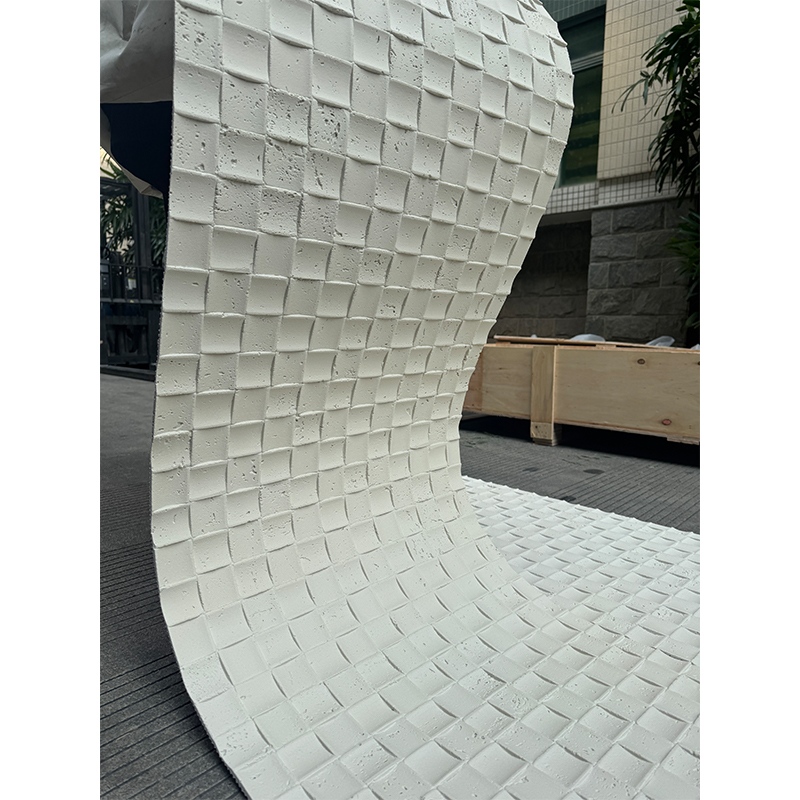
Modern stone veneers have redefined the expectations for cladding materials. Unlike traditional full-thickness stone, these lightweight panels can be installed without heavy structural reinforcement, making them ideal for both renovations and new builds. The secret lies in their clever composition—thin slices of real stone bonded to a honeycomb backing or reinforced with fiberglass, resulting in a material that’s up to 80% lighter. This inherent lightness doesn’t just simplify logistics; it opens up design possibilities for vertical applications, ceilings, and furniture accents that would be impractical with conventional stone.
Yet, what truly sets them apart is their hard-wearing nature. Advanced manufacturing processes ensure that the veneer surface retains the authentic texture and durability of natural stone, resisting scratches, impacts, and daily wear with ease. They don’t warp, crack, or lose their color over time, even when subjected to freeze-thaw cycles or intense UV exposure. In many cases, they outperform solid stone in terms of flexibility—able to withstand minor structural movements that would cause full-thickness slabs to fissure.
The synergy of these two qualities transforms project timelines and maintenance profiles. Installers appreciate the swift, clean handling that reduces labor costs, while property owners enjoy a premium aesthetic that stays pristine with minimal upkeep. By shedding the weight of traditional masonry without sacrificing any of its rugged character, modern stone veneers bridge the gap between architectural ambition and practical reality, offering a surprisingly gentle touch with a lasting impact.
Textures That Mimic Nature Without the Heavy Lifting
Bringing the outdoors in doesn’t have to mean hauling in slabs of stone or tending to live moss walls. Today’s surface materials cleverly borrow from nature’s playbook—think plaster that echoes windswept sand dunes, or porcelain that mirrors the deep grain of weathered oak. These finishes deliver the tactile warmth and organic movement of natural materials, yet they’re lightweight, simple to install, and far less demanding when it comes to upkeep.
What makes them stand out is their quiet versatility. A microcement wall can capture the cool irregularity of rammed earth without the structural weight, while a laminate countertop might faithfully reproduce the subtle sheen of honed marble minus the risk of etching. The illusion often gets under your fingers before your eyes catch on—a matte surface that feels unexpectedly soft, a ridged tile that mimics bark so convincingly you forget it’s ceramic. It’s about capturing a mood rather than an exact replica.
For those who crave an organic aesthetic but shudder at the thought of sealing, scrubbing, or replacing, these faux-nature textures are a gift. They resist moisture, shrug off spills, and won’t warp when humidity spikes. Best of all, they sidestep the ethical and logistical headaches that sometimes accompany harvesting natural stone or exotic woods, letting you design with a lighter conscience and a lot less heavy lifting.
Installation Secrets for a Flawless Feature Wall
Achieving a flawless feature wall starts long before you pick up a tool. Precision measuring is non-negotiable—map out your layout with a level and masking tape to visualize the final result. This dry run helps you spot awkward gaps and adjust spacing, ensuring the pattern flows naturally across the wall.
When it comes to application, patience is your best friend. Whether you're working with panels, tile, or paint, build from the center outward to maintain symmetry. For adhesive installations, apply just enough to hold without oozing—excess glue ruins crisp lines. A trick pros swear by: use a rubber mallet and a scrap block to gently tap pieces into place without damage.
The secret no one tells you? The finishing details make or break the look. Fill any nail holes or seams, then sand until the surface feels seamless under your fingertips. Caulk edges where the feature wall meets adjacent surfaces for a custom, built-in appearance. Step back frequently during the process; small imperfections have a way of hiding until the light hits just right.
Design Moods: From Rustic Warmth to Sleek Industrial
The journey from rustic warmth to sleek industrial design is a fascinating exploration of contrast and harmony. Rustic spaces invite you in with their organic textures, earthy tones, and a sense of history—think exposed wooden beams, worn leather, and handcrafted pottery. These elements evoke comfort and nostalgia, wrapping you in a cocoon of natural simplicity. On the other end of the spectrum, industrial design strips away the superfluous, celebrating raw materials like concrete, steel, and glass. It’s about exposing the bones of a structure, turning utilitarian features into focal points, and creating an edgy, unapologetic aesthetic that feels both modern and timeless.
Blending these two moods can yield interiors that feel deeply personal and dynamic. Imagine a loft where soaring concrete walls are softened by a plush, distressed rug and a reclaimed wood dining table. The interplay is not about choosing one over the other but layering them so that the coolness of metal enhances the warmth of wood, and the roughness of brick balances the smoothness of polished surfaces. Lighting plays a crucial role here: a vintage filament bulb in a raw metal fixture can cast a golden glow that bridges the gap between cold and cozy. This fusion captures a narrative of opposites attracting, resulting in spaces that are as inviting as they are intriguing.
Ultimately, the shift from rustic to industrial is a spectrum rather than a strict dichotomy. Some interiors lean heavily into one direction, while others find a sweet spot that borrows from both. A farmhouse kitchen might incorporate stainless steel appliances and concrete countertops without losing its pastoral charm, just as a minimalist city loft can be warmed up with tactile linens and aged brass accents. This design dialogue reminds us that moods are fluid, and the most compelling spaces often emerge when we trust our instincts and mix elements that resonate on a sensory level—whether that means the rough-hewn grace of a country cottage or the stark elegance of a converted warehouse.
Real Spaces Transformed: Before and After Inspiration
Walking into a room that feels tired and cramped, it's hard to imagine how a few thoughtful changes could unlock its potential. Yet, real spaces transformed show us that even the most dated interiors can be reborn with a clear vision and some elbow grease. From a cluttered living room that gained flow and focus simply by rearranging furniture and introducing layered lighting, to a dark kitchen that opened up with the removal of upper cabinets and a fresh coat of warm white paint—these aren't just makeovers; they're proof that our homes can evolve alongside us.
What makes these transformations so compelling is the story behind them. One homeowner turned a neglected attic into a cozy reading nook by adding a skylight and built-in bookshelves, while another reclaimed a tired bathroom with vintage tiles and a salvaged vanity. The before-and-after moments capture more than a cosmetic upgrade—they reveal how ordinary people tackled real challenges like awkward layouts, lack of storage, or poor lighting, and found solutions that reflect their personality. It's never about chasing trends, but about listening to what the space needs and what you need from it.
The inspiration lies in the details: a bold accent wall that anchors a once-drifting dining area, a pleated lampshade that softens a stark corner, a runner of hand-painted tiles that turns a galley kitchen into a work of art. These spaces remind us that transformation doesn't always demand a wrecking ball. Sometimes it's a single brave choice—a color, a texture, a rearrangement—that shifts the entire feel of a home. And when you see them side by side, the before and after, you realize the most important tool in any renovation is simply the courage to begin.
FAQ
Flexible stone veneer is a thin, lightweight layer of real stone backed by a flexible polymer. Unlike traditional heavy stone, it can bend around curves and is much easier to install without masonry skills. You get the authentic look and texture of natural stone without the structural headaches.
Absolutely. It’s designed to handle weather, UV exposure, and temperature swings. Many collections are suitable for exterior cladding, garden walls, and even outdoor kitchens. Just make sure to use the right adhesive and sealant for outdoor conditions.
You’ll find everything from slate and quartzite to marble and sandstone. Manufacturers now mimic rugged ledgestone, smooth travertine, and even rustic fieldstone. The variety means you can match any design style, from sleek modern to cozy rustic.
It’s a DIY-friendly process. Clean the surface, apply a polymer-modified thin-set mortar with a notched trowel, and press the panels into place. Overlap seams slightly and use a roller to ensure adhesion. Grouting isn’t necessary because the panels interlock naturally.
Yes, it performs well in bathrooms and even steam showers when properly sealed. Because it’s non-porous on the backing and the stone itself is sealed, it resists mold and water damage. Just ensure good ventilation during installation.
Beyond accent walls, try wrapping columns, headboards, or fireplace surrounds. The material can cover curved bars, arched doorways, and even furniture fronts. Its flexibility opens up design possibilities that rigid stone or tile simply can’t achieve.
It adds the luxury appeal of natural stone without the high cost and labor of traditional masonry. Homebuyers appreciate the timeless elegance, and because it’s lightweight, it doesn’t raise structural concerns during inspections. It’s an investment that blends aesthetics with practicality.
Conclusion
Flexible stone veneer has quietly become the go-to material for designers looking to fuse organic texture with modern practicality. Unlike traditional stone, these lightweight panels bring a tactile authenticity to walls without the structural demands or tedious installation. The real draw, though, is how convincingly they mimic real stone—slate, quartzite, ledgestone—down to the subtle ridges and cool-to-the-touch feel, yet they flex and adhere to surfaces that would otherwise buckle under the weight of true masonry. This blend of resilient flexibility and natural aesthetics is what's redefining interior walls in both homes and commercial spaces. It's no longer about choosing between style and durability; you get both, wrapped in a product that's shockingly easy to handle.
From a design standpoint, the range is vast: you can steer a room into rustic warmth with sandy, earthy tones or lean into sleek industrial with dark, crisply stacked patterns. Installation is a bigger part of the story than people realize—when done right, with proper surface prep and minimal seam visibility, the results are indistinguishable from real stone. I've seen real-world transformations where a once-forgettable hallway becomes a striking focal point, or a lackluster fireplace facade turns into a conversation starter. The best flexible stone veneers I'd recommend balance hyper-realistic detailing with long-term durability, so your feature wall stays stunning for years without cracking or fading. If you're on the fence, look for brands that offer peel-and-stick genuine stone veneer; they're a game-changer for DIYers and pros alike.
Contact Us
Contact Person: Vito
Email: [email protected]
Tel/WhatsApp: 86 13088879266
Website: https://www.magicstonemcm.com