

Distillery Equipment Manufacturer: The Backbone of Every Successful Craft Distillery
2026-05-11
Behind every exceptional craft spirit lies not just passion and ingredients, but the precision engineering of a trusted distillery equipment manufacturer. The distilling hardware—from mash tuns to stills—shapes flavor profiles and operational efficiency. That’s why partnering with an experienced manufacturer like DYE is critical for distilleries aiming to turn vision into award-winning reality. In this blog, we’ll explore what makes a manufacturer the backbone of success and how DYE leads the way.
From Grain to Glass: The Silent Partner in Every Distillery
In every distillery, there's an unseen force working tirelessly behind the scenes. While the gleaming copper stills and aged barrels capture the spotlight, it's the microscopic world of yeast that quietly transforms a simple mash of grain and water into something remarkable. Without this silent partner, the journey from field to flask would be nothing more than a bland, fermentable soup.
Yeast doesn't just produce alcohol; it shapes the very soul of the spirit. Different strains impart subtle esters, phenols, and higher alcohols that define a distillery's signature character. A single choice of yeast can whisper notes of ripe pear, clove, or even a hint of smoke into the final liquid. It operates in the shadows, yet its influence echoes through every sip, bridging the gap between humble grain and the complex dram in your glass.
Master distillers often speak of their water source or the char of their barrels, but the yeast remains their most intimate collaborator. It reacts to temperature swings, nutrient levels, and the rhythm of the fermentation vessels, requiring a delicate touch and deep understanding. This quiet ally never demands recognition, yet without its metabolic magic, there would be no spirit to age, no bouquet to savor—just an idea left unfermented.
Crafting the Core: How Equipment Shapes Your Spirit's Identity
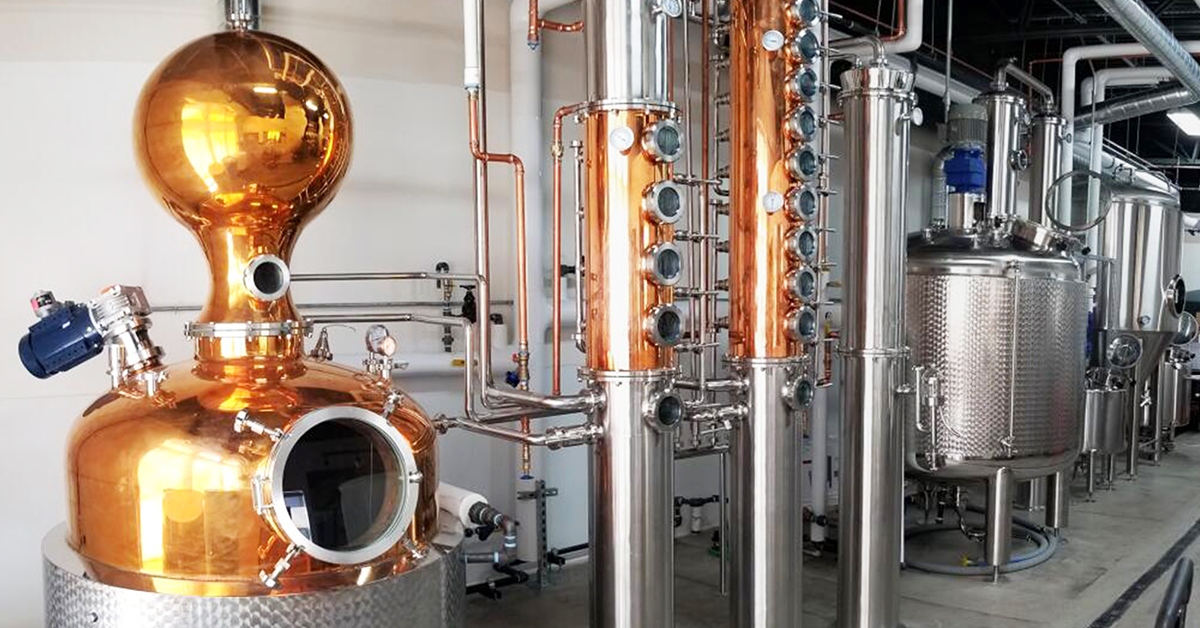
Walk into any dimly lit workshop where spirits are born, and you’ll feel the weight of the tools before you see them. Copper stills, worn wooden barrels, hand‑hammered fermenters—each piece carries a quiet authority. They aren’t just vessels; they’re silent collaborators that coax out stubborn flavors, soften harsh edges, and whisper a sense of place into every drop. A pot still with a long swan neck might favor floral elegance, while a squat column shouts for bold, oily richness. The equipment doesn’t merely process—it argues, negotiates, and ultimately leaves its fingerprint on what ends up in the glass.
Barrels are perhaps the most talkative partners in this dance. American oak speaks in vanilla and coconut, loud and clear. French oak murmurs with sandalwood and dried fruit, while a tired cask from a sherry bodega hums with memories of nutty sweetness. The length of the toast, the depth of the char, the years spent breathing in a drafty rickhouse—these aren’t details on a spec sheet. They’re chapters in a story that only unfolds over time, shaped as much by the wood’s past life as by the distiller’s intent. Two identical recipes run through different cooperages will emerge as cousins, not twins.
Even the less glamorous gear—the mash tun, the heat exchanger, the humble pump—has a vote. A fermenter that runs hot and fast might push fruity esters to the front; one that cools slowly could stretch out a spirit’s spine with mineral tension. Over time, a distillery’s idiosyncrasies become its signature. A dent in a copper dome, a peculiar vibration in a condenser, the microflora clinging to old wooden washbacks—these quirks aren’t flaws to be engineered away. They’re the irreplaceable character that no amount of recipe tweaking can replicate. In the end, your spirit doesn’t just pass through the equipment. It absorbs its soul.
Material Matters: Copper and Stainless Steel in Harmony
Copper and stainless steel might seem like an unlikely pair at first glance—one warm and rustic, the other cool and industrial—but when brought together with intention, they create a visual dialogue that feels both grounded and refined. The soft, reddish glow of copper catches the light in ways that stainless steel’s polished surface reflects, and together they produce a layered texture that shifts throughout the day. It’s not about matching; it’s about contrast that somehow settles into balance.
In kitchens, this pairing does more than please the eye. Copper’s natural antimicrobial properties complement stainless steel’s durability, so you end up with surfaces and tools that are as practical as they are beautiful. A stainless steel countertop edged with a copper patina or a copper pendant light hanging over steel appliances—these choices aren’t random. They reflect a thoughtful approach where each material’s strengths are honored, and their differences turn into a cohesive whole.
Beyond function, there’s an emotional draw to combining these metals. Copper ages with a living finish, darkening and gaining character, while stainless steel stays true, resisting time. That dynamic speaks to a kind of domestic storytelling: one element changes, the other holds steady, and together they create a space that feels alive. It’s harmony not in sameness, but in a quiet, respectful tension that makes a room feel considered without trying too hard.
Size Isn't Everything: Selecting the Right Scale for Your Vision
Ambition often whispers that bigger is better, urging you to scale up before the vision has fully taken root. Yet some of the most enduring projects start small, almost by accident, and grow only when the soil is ready. A tiny garden can be more enchanting than a sprawling field of monoculture. When you match the scale to the vision, you protect the core idea from becoming diluted by premature expansion.
It’s not about lowering expectations—it’s about realizing that your vision might breathe better in a contained space. Think of a chef perfecting a five-seat tasting menu rather than rushing to open a chain. That deliberate restraint lets you refine details that would otherwise get lost in noise. The right scale is the one that lets you stay present for the craft, not just the metrics.
Choosing small can also be a strategic advantage. It allows for nimble adaptation, deeper connections with your audience, and a sturdier foundation. A vision forced into ill-fitting scale often cracks under its own weight. Trust that what matters will find its way to expand naturally—when it’s truly ready.
Innovation Meets Tradition: Modern Features That Enhance Quality
Blending centuries-old craftsmanship with cutting-edge technology often results in products that feel both timeless and remarkably functional. Consider how temperature-controlled fermentation vats, guided by precision sensors, allow winemakers to honor traditional grape varietals while achieving consistency once impossible. This fusion doesn't dilute heritage; it amplifies the best attributes of the original methods, creating something that simply works better without losing its soul.
In textiles, for instance, digitally monitored looms can replicate intricate hand-weaving patterns with an exactness that human hands admire but rarely sustain over thousands of threads. The result is fabric that feels authentic yet resists wear far longer. Such quiet innovations—moisture-wicking natural fibers, ceramic-infused dyes—preserve the tactile warmth of tradition while quietly adding layers of practical excellence most users only notice subconsciously.
Even in everyday objects, the marriage shows. A chef’s knife forged from high-carbon steel using automated cryogenic tempering retains the heft and balance revered by traditional makers, but its edge holds sharper longer. Every thoughtful modern feature is chosen not to overshadow the old ways, but to remove the small frustrations that time and technology can solve—so the user can focus on the experience itself.
Building a Lasting Partnership: Support Beyond the Sale
True partnership doesn’t end at the dotted line—it begins there. We place immense value on the human side of support, staying accessible, attentive, and genuinely invested in your evolving goals. Whether you need swift troubleshooting or strategic guidance, our team treats your challenges like our own, ensuring no question goes unanswered and no hurdle feels insurmountable.
Beyond standard assistance, we proactively share insights, training resources, and optimization tips tailored to your specific environment. This isn't about scripted follow-ups; it's a living, breathing collaboration where your feedback directly shapes how we serve you. We listen, adapt, and evolve alongside you, so the solutions you rely on grow smarter and more aligned with your vision over time.
What truly sets this relationship apart is the quiet confidence it brings. Knowing that behind every product is a committed team ready to dive deep, not just in emergencies but in the everyday moments that define success. We don't just anticipate what you need—we stay curious, ask better questions, and remain a steady hand, ensuring that the partnership we build together remains the cornerstone of your long-term achievement.
FAQ
Because the quality, design, and reliability of the stills, fermenters, and other gear directly shape the spirit's character. Without well-engineered equipment, consistency and efficiency suffer, making it nearly impossible to produce a memorable product that stands out in a crowded market.
Look beyond the price tag. Prioritize proven craftsmanship, a track record of working with craft distillers, and a willingness to customize. Talk to past clients, inspect the welding and material thickness, and ensure the manufacturer understands the nuances of the spirits you want to make. After-sales support and training are just as critical as the hardware itself.
Off-the-shelf gear might get you started, but custom equipment lets you fine-tune still neck height, column plate count, and condenser type to match your recipe's heart. It's the difference between a generic whiskey and one with a signature mouthfeel and aroma profile. Custom builds also account for your space and workflow, preventing operational headaches later.
Rough internal surfaces, uneven welding that can trap bacteria, thin materials that warp under heat, and mismatched gaskets are red flags. Also watch out for designs that prioritize looks over function—excessive ornate details often hide shortcuts in the actual distillation performance.
Automated controls now allow precise temperature and flow rate adjustments, making it easier to replicate batches. Advanced alloys and sanitary designs reduce maintenance and contamination risk. Some manufacturers even use computational fluid dynamics to optimize vapor flow, enhancing both efficiency and spirit quality without losing the artisan touch.
Distilling isn't plug-and-play. Even the best equipment needs calibration, troubleshooting, and sometimes emergency repairs during peak production. A manufacturer that offers onsite training, readily available spare parts, and responsive technical support can save a distiller months of downtime and thousands in lost revenue.
Yes, but with caution. Some large-scale manufacturers don't understand the hands-on, experimental nature of craft distilling. Seek out one that straddles both worlds—offering industrial-grade reliability but with the flexibility to accommodate small batch sizes and creative distillation techniques.
Conclusion
A distillery's success is rarely a solo act. Behind every memorable spirit lies a silent partner—the equipment manufacturer—whose presence is felt from the first grain milled to the final bottle sealed. This invisible hand guides the transformation, turning raw ingredients into liquid art. The choice of stills, fermenters, and condensers doesn't just affect production volume; it imprints a distinct character on the spirit. A copper pot still, with its time-honored ability to strip sulfides and add warmth, whispers tradition, while stainless steel columns hum with precision and purity. Balancing these materials isn't a compromise but a deliberate harmony, letting a distillery harness the best of both worlds. And scale is never a one-size-fits-all matter; it's about aligning equipment capacity with a founder's vision—whether that's a tiny experimental micro-distillery or a bustling regional producer. Selecting the right size means preserving craftsmanship without stifling growth.
Yet true mastery goes deeper than hardware alone. Today's distillery equipment merges age-old methods with modern ingenuity—automated controls that allow a head distiller to tweak runs with digital finesse, energy-recovery systems that cut waste, and hygienic designs that respect every batch. These innovations don't erase tradition; they amplify it, giving artisans tighter command of their craft. But even the finest equipment is only as reliable as the relationship behind it. A manufacturer that offers ongoing training, rapid troubleshooting, and a genuine interest in a client's evolution becomes a bedrock partner. It's not a transactional sale but a shared journey. In this light, the equipment supplier is more than a vendor; it's the sturdy backbone upon which the entire craft distilling enterprise is built, quietly enabling greatness one spirit at a time.
Contact Us
Contact Person: Ada Xu
Email: [email protected]
Tel/WhatsApp: 0577-86806088
Website: https://www.dayuwz.com/