
Chinese Corrugated Plastic Boxes: The Ultimate Guide to Versatile and Eco-Friendly Packaging
2026-06-08
When it comes to packaging that balances strength and sustainability, corrugated plastic boxes from China are quietly revolutionizing the industry. Whether you're shipping delicate goods or organizing warehouse inventory, these resilient containers offer an eco-conscious edge without compromising on durability. In this guide, we’ll unpack what makes them a go-to choice—and how ShiTeng Packaging is pushing the boundaries with smarter, greener designs.
Unpacking the Material: What Makes Corrugated Plastic So Tough
Corrugated plastic gets its resilience from a clever twin-wall design that mirrors the fluted structure of cardboard but swaps out paper for polypropylene. Those parallel ribs running between two flat sheets create a series of I-beam-like reinforcements, so the material resists bending and impact far better than a solid sheet of the same thickness. This geometry also traps air, giving it a lightweight feel without sacrificing stiffness—a combo you don’t often find in rigid panels.
Beyond the shape, the polymer itself brings a lot to the table. Polypropylene is naturally resistant to moisture, chemicals, and even UV when treated, so sheets don’t swell, rot, or become brittle after a rainstorm or a spill. The manufacturing process aligns the molecular chains during extrusion, which boosts tear resistance and lets the material handle repeated flexing without cracking. You can stomp on it, fold it along the flutes, or leave it out in the sun, and it still holds up.
What really sets it apart is how all these features add up in everyday use. That hollow core absorbs shocks by allowing the ribs to compress slightly and bounce back, so dropped tools or rough handling won’t leave dents like they would on metal or wood. Add in the fact that it’s chemically inert and easy to wipe clean, and you’ve got a sheet that stays tough-looking and functional long after other materials would show wear. It’s not magic—just smart engineering that keeps things simple and durable.
Beyond Cardboard: Why Chinese Manufacturers Are Switching to Plastic Corrugated
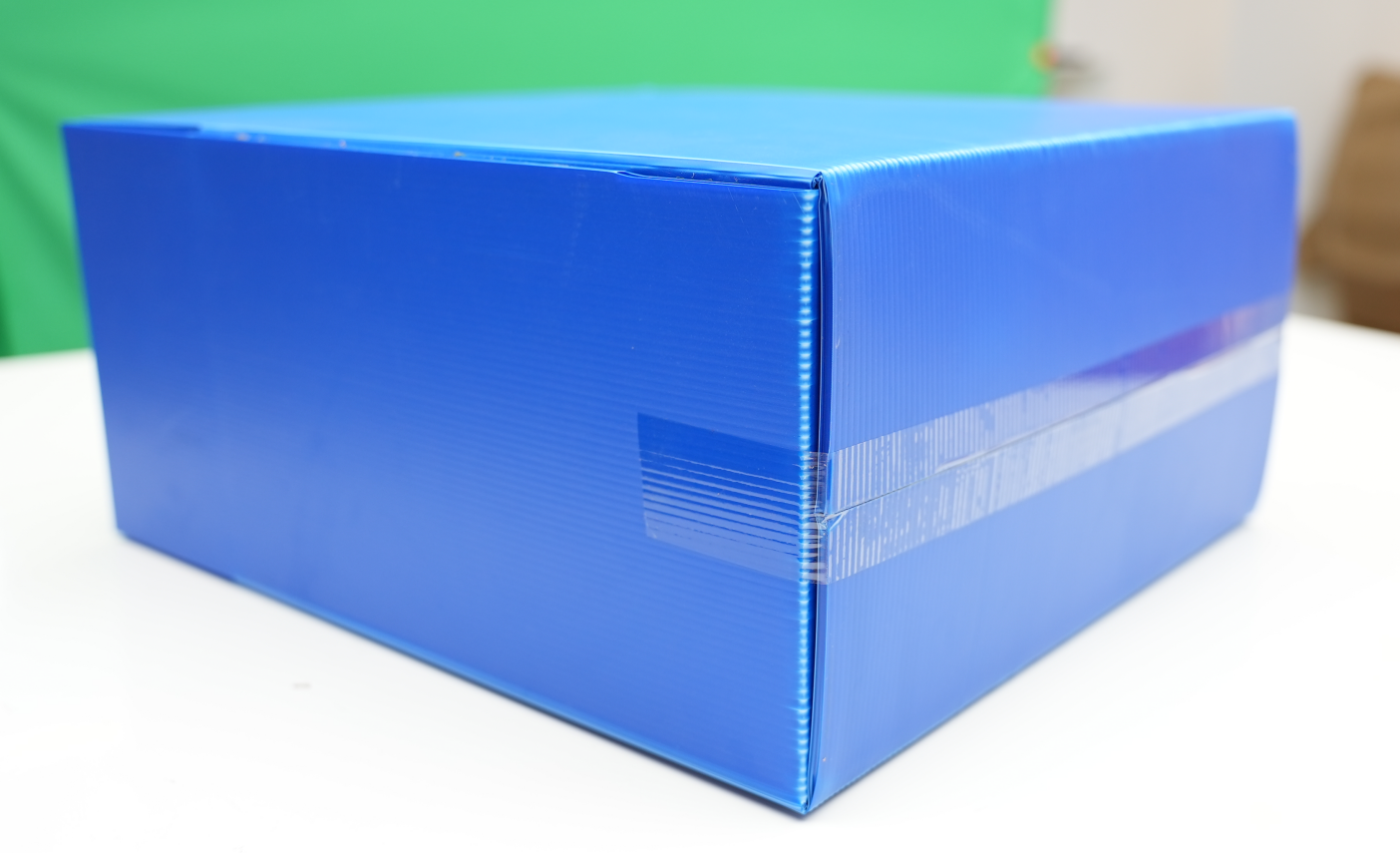
For decades, cardboard dominated as the go-to packaging material, offering a cheap and seemingly straightforward solution. But Chinese manufacturers, always attuned to the pulse of efficiency and durability, have begun questioning its limits. The shift toward plastic corrugated isn’t a sudden whim—it’s the result of quietly accumulating frustrations: soggy boxes collapsing in humid warehouses, single-use waste piling up, and a growing appetite for reusable systems that simply don’t pair well with traditional paper-based materials.
Plastic corrugated enters the scene not as a flashy disruptor but as a practical alternative that’s proven its worth in demanding supply chains. It’s waterproof, resists chemicals, and can survive dozens of trips where cardboard would barely last one. Factories in the Pearl River Delta have noted how these boards cut replacement costs and reduce downtime caused by failed packaging. Beyond toughness, they’re also lighter than many assume, trimming freight expenses in an industry where every gram matters. The material’s smooth surface even allows for cleaner printing and custom die-cuts that hold precise shapes, opening doors to branding that paper can’t sustain under rough handling.
What’s less talked about is the slow cultural pivot within manufacturing hubs. Companies that once saw packaging as a disposable afterthought now treat it as a strategic asset. Plastic corrugated aligns with a lean, circular mindset—returnable totes, inter-plant logistics, and export crates that don’t wilt in container sweat. It’s not about abandoning cardboard entirely; it’s about discerning where the old standby falls short and letting function drive the choice. That shift in thinking, rooted in on-the-ground problem-solving rather than trend-chasing, is quietly reshaping packaging norms across China’s industrial landscape.
Customization Secrets: Printing, Sizing, and Die-Cutting for Brand Impact
Printing isn’t just about putting ink on paper—it’s a subtle art that can make or break brand recall. Think beyond the standard four-color process; techniques like spot UV, foil stamping, or even gritty letterpress add a tactile dimension that screams quality. A cosmetics brand might use soft-touch matte finishes to evoke luxury, while a craft brewery leans into raw, recycled textures. The secret? Aligning the print method with the emotional chord you want to strike, so every surface whispers your story.
Sizing often gets overlooked, yet it’s one of the quiet power players in brand impact. A business card that’s slightly taller or a hangtag that’s unexpectedly compact can disrupt visual monotony and demand attention. But it’s not about randomness—proportions should mirror the product’s personality. A minimalist jewelry line might embrace slim, elongated tags, while a bold sneaker release opts for oversized, chunky labels. When sizing syncs with the brand’s rhythm, it feels intuitive rather than gimmicky.
Die-cutting transforms a static piece into a handheld experience. Custom shapes—like a cutout logo, curved edges, or peekaboo windows—create moments of discovery that flat designs can’t replicate. It’s the difference between a forgettable mailer and one that folks pin to a corkboard. The trick is to balance creativity with practicality: a die-cut should enhance the message, not complicate the unboxing. When done right, it’s a silent invitation to engage, hinting at the care behind the brand without saying a word.
From Factory Floor to Front Door: Real-World Applications You Haven’t Considered
We’ve grown used to the idea that a click on a website can summon a box to our doorstep in a day or two. But the real magic happens when the factory floor and the front door start talking directly to each other—skipping the warehouse, the distribution center, even the retailer. Picture a scenario where the act of unlocking your smart lock in the morning triggers a small-batch production run at a nearby micro-factory, ensuring that the replacement filter for your air purifier is printed, cured, and on its way before you’ve even finished breakfast. This isn’t some distant future; it’s happening now in pockets, reshaping everything from how we restock household essentials to how we source custom furniture, and the implications stretch far beyond simple convenience.
One compelling, under-the-radar application lies in personalized medical devices. Consider the patient who needs a new orthotic insole, not off-the-shelf, but one tailored exactly to the contours of their foot. Today, a podiatrist’s 3D scan can be beamed straight to a fabrication hub where a flexible resin printer hums to life. The insole, with precisely placed arch support and metatarsal cushioning, is built layer by layer and then packaged for overnight delivery directly to the patient’s home. No clinic inventory, no weeks-long wait for a distant lab to ship back to the doctor. The same model is quietly transforming dental aligners, hearing aids, and even custom-fitted sleep apnea masks—items that used to require multiple appointments and centralized manufacturing are now flowing from scan to doorstep in a matter of days, with each step tracked by the patient on their phone.
Another unexpected frontier is the fresh food supply chain. Imagine a small dairy in the countryside that not only pasteurizes and bottles milk but also embeds a tiny thermal sensor in each cap. From the moment the bottle leaves the filling line until it’s placed on your porch, that sensor logs temperature every few minutes, syncing data to a cloud platform. If a truck’s refrigeration unit falters even briefly, the system flags that specific batch, reroutes it for discount quick-sale or donation, and automatically schedules a replacement for the customer—all before anyone opens the cooler. This kind of farm-to-doorstep intelligence is creeping into artisanal cheese, meal kit proteins, and even live seafood shipments, where a single degree can be the difference between delight and disappointment. It’s a quiet revolution that turns every delivery into a quality-assured experience, and it’s happening without most consumers ever realizing the intricate dance of data and logistics behind their unboxing moment.
The Green Angle: How Reusable and Recyclable Boxes Slash Waste
Every year, mountains of cardboard and plastic packaging end up in landfills after a single use. Standard shipping boxes, often reinforced with tape and labels, aren't designed for a second life. This linear approach generates unnecessary waste and keeps the demand for virgin materials high. The shift toward reusable boxes challenges that model head-on. By choosing containers built for multiple trips, businesses can dramatically cut the volume of discarded packaging. A single reusable tote can replace dozens of disposable cartons over its lifespan, and the reduction in waste isn't just theoretical—it shows up in lighter trash bins and emptier dumpsters.
Reusable systems work best when paired with smart logistics. Totes from companies like Returnity or RePack circulate between warehouses, stores, and customers, often incorporating features like collapsibility and easy-clean surfaces. After delivery, they're folded flat and sent back, then inspected and put back into rotation. This loop removes the constant churn of cardboard production and disposal. It's a quieter, less visible kind of waste slashing—no shredding, no baling, just a durable box that stays out of the rubbish heap. The environmental payoff stacks up quickly: fewer trees felled, less energy spent on manufacturing, and a meaningful drop in the carbon footprint tied to single-use packaging.
Even when reuse isn't practical, recyclable box designs push waste reduction further. Monomaterial corrugated cardboard, free from plastic windows or wax coatings, can be recycled curbside in most communities. Some companies are taking it a step further with water-based inks and adhesives that don't interfere with the pulping process. The difference might seem small, but it keeps those fibers in play for another round. When a box is both easy to recycle and made with high post-consumer content, the cycle tightens. Less waste goes to incineration or burial, and the whole system inches closer to a closed loop where materials never really become trash.
Smart Sourcing: Tips for Partnering with Chinese Suppliers for Quality and Value
Finding reliable suppliers in China is not just about the lowest price—it's about striking the right balance between quality and cost. Start by clearly defining your product specifications, quality standards, and budget. This clarity helps you evaluate potential partners beyond their quoted numbers, focusing on value rather than just savings.
Dig into a supplier’s track record by reviewing their past work, client feedback, and any relevant certifications. A face-to-face visit or a trusted local agent can reveal nuances that digital communication might hide, from production workflows to material sourcing. These insights go a long way in predicting how consistently they can deliver what you need.
Build a partnership mindset from day one. Open dialogue about expectations, timelines, and potential challenges fosters mutual trust. Collaborate on problem-solving, and consider small trial orders before scaling up. This approach turns transactional relationships into long-term alliances where both sides are invested in maintaining quality and finding sustainable efficiencies.
FAQ
They're crafted from polypropylene sheets with a fluted core, similar to cardboard but much tougher. The material is lightweight yet rigid, making it ideal for reusable packaging.
Corrugated plastic boxes far outlast cardboard. They resist moisture, chemicals, and impacts, so they won't crumble when wet or tear under stress. You can reuse them hundreds of times without noticeable wear.
Yes, because their long lifespan means less waste. Plus, they're fully recyclable at the end of their use. Many are also made from a percentage of recycled material, reducing the demand for virgin resources.
You'll find them everywhere from automotive parts shipping to agricultural produce transport. Electronics manufacturers love them for static-dissipative versions, while retail chains use them for returnable container programs.
Absolutely. Manufacturers in China offer extensive customization—size, color, printing, die-cut handles, foam inserts, and anti-static coatings are all standard options. You can even have your logo embossed for brand visibility.
They combine advanced production lines with cost-effective labor, delivering high-quality boxes at competitive prices. Many have decades of experience and can provide design assistance, fast prototypes, and reliable international shipping.
Simply wipe them down with mild detergent or use a pressure washer. They dry quickly and don't harbor mold. For industrial settings, they withstand sanitizing chemicals without degrading, making hygiene management effortless.
Conclusion
When it comes to shipping and storage, corrugated plastic boxes have quietly reshaped expectations. Unlike traditional cardboard, these containers are built from tough polypropylene sheets with a fluted core, giving them a resistance to moisture, chemicals, and crushing force that paper-based options simply can't match. Chinese manufacturers have been among the quickest to recognize this advantage, shifting large portions of their production away from standard cartons in favour of plastic corrugated solutions. The reason isn't just durability—it's the long-term economics. Where soggy cardboard fails after a single use, these boxes can be wiped clean, nested, and reused dozens of times without losing their structural integrity, making them a staple for industries that once battled constant packaging failure.
The real appeal, however, lies in how effortlessly they adapt to a brand's identity. Digital and screen printing methods now allow for crisp logos and full-colour graphics directly on the fluted surface, while precision die-cutting creates custom inserts, foldable displays, or uniquely shaped mailers that arrive ready to unpack. This flexibility has pushed them beyond basic logistics into high-visibility roles like retail-ready trays and event kitting. The sustainability story is equally compelling: many Chinese suppliers use recycled resin in production, and at the end of their lifespan the boxes are fully recyclable, avoiding the single-use waste trap. For businesses eyeing quality without sky-high costs, smart sourcing from China means looking past unit price alone—vet factory certifications, test sample batches for edge-crush consistency, and favour partners who offer design support. When chosen right, corrugated plastic becomes not just a box, but a quiet workhorse that bridges rugged practicality with a cleaner operational footprint.
Contact Us
Contact Person: Mr. Ge Man
Email: [email protected]
Tel/WhatsApp: 8613710506492
Website: https://www.shitengzx.com