

Bulk Pet Hardware Essentials for Every Retailer
2026-11-02
When a pet owner walks into your store looking for a sturdy crate latch or a heavy-duty swivel snap, they're not just shopping for hardware—they're trusting you to keep their companion safe. That's why bulk pet hardware deserves more than a passing glance on your inventory sheet. In this guide, we'll walk through the essentials every retailer should stock, and why Kingming has quietly become the supplier of choice for stores that refuse to cut corners on durability and value.
Collars and Leashes That Customers Actually Come Back For
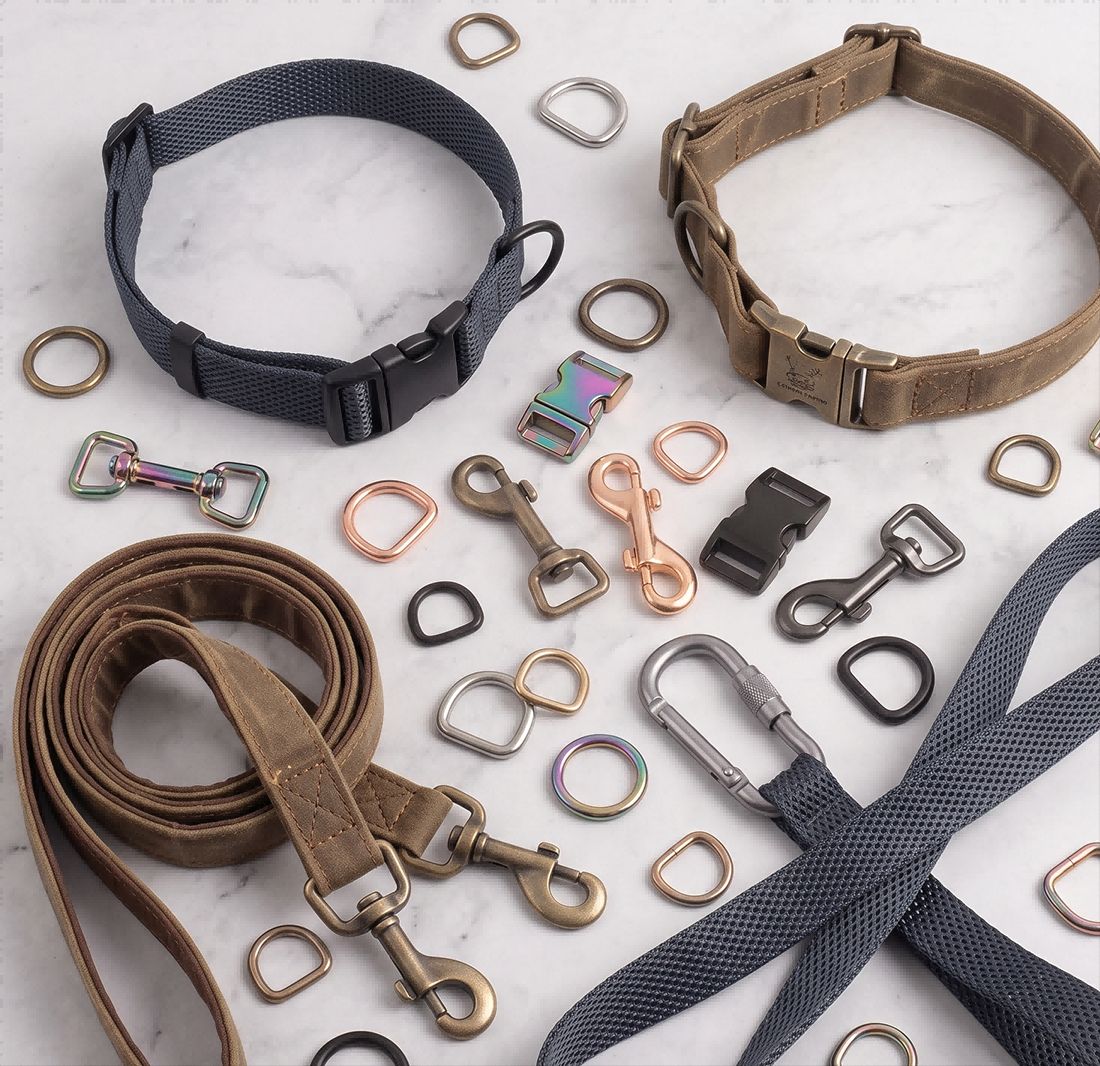
What makes a collar or leash worth buying twice? It's not the pattern - it's the feel in your hand after six months of daily walks. The best ones have edges that don't fray, buckles that don't jam with sand, and stitching that stays flat against your dog's fur. Customers notice the small things: a D-ring that stays put under load, a clasp you can open with one thumb, webbing that doesn't soak up every muddy puddle.
Many buyers return because the leash dried stiff or the collar's color bled onto white fur. The ones people reorder tend to use dense nylon or biothane that rinses clean and stays flexible. A padded handle should be wide enough to prevent rope burn when a squirrel appears, but not so bulky that it feels like a pool noodle.
There's also the quiet detail of hardware. Solid brass or coated steel that doesn't rust after a summer of creek swims keeps a leash in rotation. If the clip doesn't accidentally catch on the dog's tags, that's a small victory that earns repeat business. Long story short: customers come back for gear that feels better at month eight than it did on day one.
Heavy-Duty Crates Without the Heavy Markup
Most suppliers treat heavy-duty crates like a specialty item, so they charge specialty prices. That never sat right with us. We build our crates from thicker plywood and reinforced steel corners, yet we keep the cost closer to what you'd expect for a standard wooden box.
How? We buy lumber in full truckloads directly from mills, cut every panel in-house, and skip the fancy branding. No middlemen, no inflated freight charges, no pointless add-ons. Just solid construction at a price that lets you order a few extra without wincing.
The result is a crate that survives forklift knocks, cross-country shipping, and warehouse stacking—without cracking your budget. You get the strength you need, minus the markup you don't.
Bowls and Feeders That Handle Real Chewers
Some dogs don't just eat—they gnaw, flip, and test every material you put in front of them. A standard plastic bowl lasts about a week before the edges look like abstract art. That's why the right setup matters. Stainless steel with a heavy, non-slip base can survive most abuse, but avoid thin metal that dents or gets launched across the kitchen. Rolled edges and a wide footprint are the two details that keep a determined chewer from getting a good grip.
For aggressive chewers who treat their bowl as a second chew toy, elevated or weighted designs change the equation. A raised feeder made from solid hardwood or powder-coated steel keeps the dish off the floor and reduces the urge to paw at it. Add a rubber lip or silicone ring around the bottom and it stays put even when your dog tries to drag it off. Skip anything with plastic clips or weak seams—those become the first target.
If your dog also inhales food while destroying everything, combine durability with function. A heavy ceramic slow feeder with deep, curved obstacles can stand up to strong jaws better than flimsy plastic versions, and it gives their mouth something to work against that isn't the bowl itself. Just check for lead-free glaze and avoid any sharp edges if the surface does get scratched.
Carriers Designed for Anxious Escapists
An anxious mind doesn't just pack a bag; it rehearses every scenario in which that bag might fail. These carriers start from that unspoken question—what if I need to leave quickly?—and answer with quiet design moves. Zippers sit where your fingers naturally hover, not where a stylist decided they'd look best. Hidden compartments swallow passports, medication, and the one charger that always disappears, while the main cavity stays shallow enough to see everything at a glance. No digging, no patting down pockets, no surge of panic at a missing key.
The weight distribution matters more than the spec sheet admits. Straps curve instead of cutting, load lifters pull the pack close when your shoulders want to hunch, and a sternum strap clicks without a fight. It's the difference between feeling like you're carrying a burden and feeling like you could walk out the door right now and keep walking. Even the fabric has a job: soft enough to crumple under an airplane seat, tough enough to survive being shoved into an overhead bin by someone who isn't you.
Then there are the small rituals that turn a carrier into a refuge. A clip for the keys you check three times. A lined pocket for sunglasses so they don't scratch against a laptop. A flat base that lets the bag stand on its own in a bathroom stall. None of it shouts. It just quietly removes one more reason to worry.
Grooming Tools That Won't Dull After a Month
Most grooming tools lose their edge because the steel is either too soft or the sharpening angle gets rounded off after a handful of uses. The ones that hold up tend to share a few things: high-carbon stainless steel, hand-finished blades, and a design that keeps the cutting edge from banging against other metal in your drawer.
Instead of chasing brands that promise “surgical sharpness” and then go dull in weeks, look for tools where the manufacturer actually states the Rockwell hardness. A rating around 56–60 HRC means the steel is hard enough to keep a fine edge but not so brittle that it chips when you drop it. Pair that with a simple leather strop or a ceramic honing rod, and a decent pair of clippers or scissors can go months without a noticeable drop in performance.
What also makes a difference is maintenance. Rinsing off hair and skin oils after each use, drying the tool completely, and storing it in a soft case instead of tossing it in a dopp kit will extend the sharpness far more than any expensive brand name. Dullness usually isn’t the tool’s fault—it’s neglect that creeps in after the first week of excitement fades.
Aisle-Ready Storage to Cut Restock Time
Shuffling inventory from a back stockroom to the sales floor eats up more time than most managers realize. Aisle-ready storage flips that routine by keeping fast movers already staged near their final shelf position. Instead of walking to the dock for every case, staff can pull a pre-sorted cart from a nearby alcove and start filling shelves within seconds.
The key is matching the storage format to how the product actually moves. For high-velocity drinks and snack boxes, leave them on wheeled racks organized by planogram order. For smaller items like spice jars or cosmetics, use clear bins with shelf labels already attached. Some teams even pre-open cases and stack shelf-ready trays so replenishment becomes a lift-and-slide motion rather than a cutting and sorting job.
It also helps to schedule restock runs during off-peak hours using these staged loads. A cart positioned in the aisle shadow at 7 a.m. can be emptied in under ten minutes without blocking customers. That keeps the floor filled during rush periods and prevents the common pattern of a half-empty shelf waiting on a stockroom trip that never seems to fit the shift.
FAQ
It covers the metal and plastic pieces people need for daily pet care — buckles, D-rings, snaps, collar adjusters, chain leashes, feeding bowl stands, kennel latches, and similar durable items. Typically these are sold in multi-piece packs or wholesale cartons rather than as single units.
Collar buckles and D-rings tend to move fastest because they break or get lost. After that, snap hooks for leashes, swivel clips, and replacement screws for pet gates or crates. If you stock stainless steel or rust-resistant options, you'll see fewer returns.
Start with small but steady replenishment items — standard side-release buckles, split rings, and leash clips. Then look at what breaks often in your customers' existing gear. Order deeper on sizes that fit medium and large dogs, since those take more strain.
Stainless steel and coated brass are the safest picks for metal parts. For plastic buckles, acetal or nylon works better than cheap polypropylene. Avoid anything with sharp edges or thin plating that flakes after a few months.
Mixed assortments make sense for testing new categories, but single-item bulk packs usually give better margins once you know what sells. Many retailers keep a starter mix on hand for repair customers and then reorder only the top sellers.
Check the finish on metal parts, the spring tension on snap hooks, and the smoothness of buckle release. Request a sample batch first. If a supplier won't send samples or gives vague material specs, that's a red flag.
Put small bins near the leash and collar section, not hidden in a back aisle. Label bins with the size and weight rating. A simple test station with a spring scale or a strong pull can help customers trust the product before buying.
Spare parts sell well because people don't want to replace a whole leash or collar for one broken clip. Keep common replacement buckles, D-rings, and screws in clearly marked packages. It builds repeat visits and positions the store as practical.
Conclusion
Stocking pet hardware that actually moves off the shelf means skipping flimsy imports and focusing on gear customers will reorder. Collars and leashes need reinforced stitching and rust-proof hardware because a broken clasp or frayed strap sends shoppers straight to a competitor. Bowls and feeders built from chew-resistant stainless steel or heavy-gauge ceramic appeal to owners of power chewers who are tired of replacing cracked plastic every few weeks. Heavy-duty crates with secure latching and tight weld points can be sold at a fair margin without the premium markup, giving your store a reliable mid-range option that doesn't sacrifice durability for price. Adding a few carefully chosen SKUs in each of these categories gives buyers a reason to trust your hardware wall instead of hunting online for cheaper versions.
Carriers for anxious pets demand escape-proof zippers, secondary tethers, and ventilation that won't tear under stress. Grooming tools with replaceable or hardened blades prevent the all-too-common return after a month of use. Aisle-ready storage with open-front bins and stackable trays means staff spend less time restocking and more time selling. When these essentials are sourced in bulk with consistent quality, retailers build a reputation for tough, practical hardware that keeps customers coming back without endless markdowns or clearance piles. Rotate seasonal colorways in collars and leashes, but keep the core construction identical so repeat buyers know exactly what they're getting.
Contact Us
Contact Person: Jamie Zeng
Email: [email protected]
Tel/WhatsApp: +86 13728219269
Website: https://www.kmhardware.com