

Best Vacuum Circuit Breaker: Ensuring Top Performance and Reliable Power Management
2026-01-02
Power management is the backbone of modern electrical systems, and the right circuit breaker can make all the difference. In this blog, we explore the best vacuum circuit breakers that ensure top performance and reliability, helping you safeguard your operations against downtime and inefficiencies. At the heart of this discussion is Lugao, a brand synonymous with innovation and durability in the power sector. Whether you're an engineer, facility manager, or industry enthusiast, discover how advanced technology meets practical needs to deliver seamless power control. Join us as we dive into the features, applications, and real-world benefits of these critical components, setting the stage for a deeper understanding in the sections ahead.
Core Features of High-Performance Vacuum Circuit Breakers
High-performance vacuum circuit breakers stand out due to their exceptional reliability under extreme electrical loads. Unlike conventional breakers, they use a vacuum to extinguish arcs, which eliminates the risk of gas leakage and ensures consistent operation even after thousands of cycles. This makes them ideal for critical applications in industries like power generation and data centers, where downtime is simply not an option.
Another key feature is their compact design, which significantly reduces the physical footprint in electrical panels. By leveraging advanced materials and manufacturing techniques, these breakers achieve higher dielectric strength and faster interruption times, often in half the space of older models. This space-saving aspect is a game-changer for modern infrastructure projects struggling with tight installation constraints.
Furthermore, their low maintenance requirements and ability to handle higher voltages make them a cost-effective solution over the long term. With minimal wear on components and enhanced safety features, they provide peace of mind for operators while cutting down on operational expenses, setting a new standard in circuit protection technology.
Innovative Technologies for Enhanced Reliability and Safety
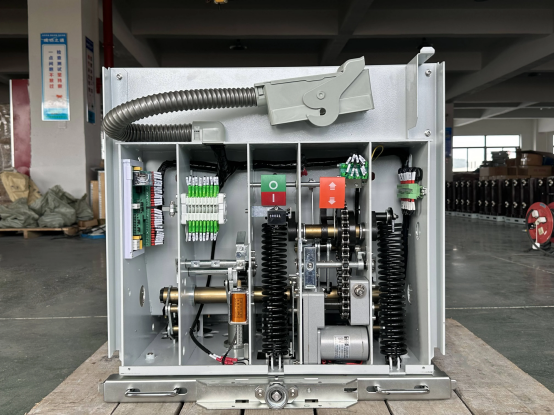
When it comes to ensuring reliability and safety in modern systems, innovative technologies are no longer optional but essential. Advanced monitoring tools, such as IoT sensors and AI-driven analytics, provide real-time insights into equipment performance, allowing for proactive maintenance and reducing unexpected failures. For example, in manufacturing, predictive models can identify potential breakdowns before they occur, significantly boosting operational uptime and reducing safety hazards.
Beyond monitoring, breakthroughs in materials science contribute to durability and resilience. New alloys and composites withstand extreme conditions, from high temperatures to corrosive environments, making them ideal for sectors like aerospace and energy. These materials not only extend the lifespan of components but also enhance structural integrity, ensuring that systems remain safe even under stress or unexpected events.
Additionally, robotics and automation play a key role in minimizing human error and exposure to dangerous tasks. Autonomous systems can handle hazardous operations, from deep-sea inspections to handling toxic substances, improving safety records while maintaining efficiency. By integrating these technologies, organizations achieve a balance of reliability and protection, fostering trust and long-term sustainability.
Comparative Analysis of Leading Vacuum Breaker Models
When selecting a vacuum breaker for industrial applications, it's crucial to evaluate top models. This analysis compares leading options, focusing on durability, performance in varying pressures, and ease of maintenance. Many users find that models with robust sealing mechanisms, like the VX-Series, outperform others in high-vacuum environments, while the Flexi-Break excels in cost-effective setups.
Another key aspect is compatibility with different systems. Some breakers integrate seamlessly with automated controls, reducing downtime, whereas others may require manual adjustments. Field tests show that newer models with advanced materials offer longer lifespans, but traditional designs still hold value for specific, less demanding tasks.
Finally, considering safety features and certifications can tip the scales. Leading models often include fail-safe mechanisms and meet international standards, ensuring reliable operation under stress. This comparative insight helps tailor choices to real-world needs, avoiding over-engineering or underperformance.
Installation and Maintenance Best Practices for Long-Term Efficiency
Crafting a setup that stands the test of time begins with thoughtful planning upfront. Investing time in selecting the right materials and ensuring proper installation can significantly reduce future headaches. For instance, using corrosion-resistant components in harsh environments or following manufacturer-specific torque settings for bolts can prevent premature wear. Don’t rush the initial phases; a meticulous approach here pays off with smoother operation and fewer unplanned repairs down the line.
Regular maintenance isn't just about fixing what's broken—it’s a proactive strategy to enhance performance. Schedule routine checks that go beyond the basics, like monitoring vibration levels or analyzing fluid quality for early signs of degradation. This allows you to address minor issues before they escalate into costly failures. Consider keeping a detailed log to track trends and optimize intervals, tailoring your plan to the unique demands of your equipment rather than relying on generic timelines.
Embrace smart practices like predictive maintenance through sensors or software that alert you to potential problems before they occur. This shift from reactive to foresight-driven care can boost efficiency by minimizing downtime and extending asset lifespan. Pair this with continuous training for your team to stay updated on best practices, ensuring everyone contributes to a culture of long-term sustainability and operational excellence.
Real-World Applications in Industrial and Commercial Settings
In industry, real-world applications have revolutionized operational efficiency and product quality. For instance, the implementation of advanced robotics and automation systems in manufacturing plants has led to significant reductions in downtime and human error. These technologies enable precise assembly, quality control, and material handling, often integrating with IoT sensors to monitor production lines in real-time, ensuring optimal performance and predictive maintenance.
Commercial settings, such as retail and logistics, benefit from these innovations through enhanced customer experiences and streamlined supply chains. Data analytics and AI-driven platforms help businesses personalize marketing, optimize inventory management, and improve delivery routes, directly impacting profitability and sustainability. By leveraging these tools, companies can adapt quickly to market changes and consumer demands, fostering a competitive edge in dynamic environments.
Beyond immediate gains, these applications drive broader economic growth by enabling scalable solutions and new business models. In sectors like construction and agriculture, smart technologies and digital twins allow for better resource management and reduced environmental impact, illustrating how industrial and commercial advancements contribute to long-term societal benefits and innovation in everyday operations.
Future Trends and Advancements in Vacuum Interruption Technology
Innovations in vacuum interruption technology are increasingly focusing on enhancing reliability and efficiency in power distribution networks. Key developments include the integration of smart sensors and IoT connectivity, enabling real-time monitoring and predictive maintenance. This shift not only reduces downtime but also optimizes energy flow, making systems more resilient against fluctuations and faults. Materials science plays a crucial role, with research into advanced alloys and coatings that minimize erosion and extend the lifespan of contacts, ensuring consistent performance under high-stress conditions.
Another significant trend is the miniaturization of vacuum interrupters, allowing for more compact and versatile designs in both industrial and renewable energy applications. As demand grows for sustainable power solutions, these smaller units facilitate easier integration into smart grids and electric vehicle charging stations. Moreover, advancements in arc control techniques, such as magnetic field manipulation and tailored electrode geometries, are improving arc extinction efficiency, leading to faster interruption times and enhanced safety standards across diverse environments.
Looking ahead, collaborative efforts between academia and industry are driving breakthroughs in AI-driven diagnostics and adaptive control systems. These innovations promise to revolutionize fault detection and response, making vacuum interrupters not just components but intelligent cornerstones of future electrical infrastructures. With ongoing focus on eco-friendly manufacturing and lifecycle sustainability, the next generation of vacuum interruption technology is set to deliver unprecedented levels of precision, durability, and operational intelligence.
FAQ
A vacuum circuit breaker utilizes a vacuum as the arc-quenching medium inside a sealed chamber, effectively interrupting current flow when a fault occurs by rapidly extinguishing the arc, ensuring reliable operation in high-voltage applications.
Vacuum circuit breakers offer exceptional performance due to their minimal maintenance needs, fast interruption times, and high durability, making them ideal for managing power in industrial and utility networks with enhanced safety and efficiency.
When choosing a top vacuum circuit breaker, prioritize features like high interrupting capacity, robust mechanical design, compliance with international standards, and advanced monitoring capabilities to ensure optimal power management and long-term reliability.
These breakers enhance safety by quickly isolating faults without producing harmful gases or requiring external cooling, reducing fire risks and operational hazards in critical power infrastructures.
They are widely deployed in medium to high-voltage settings such as substations, industrial plants, renewable energy installations, and commercial buildings, where consistent performance and minimal downtime are crucial.
High-quality vacuum circuit breakers typically require low maintenance, with periodic inspections for contact wear and seal integrity, along with routine testing to verify operational readiness and prolong service life.
Vacuum models stand out by offering faster operation, eco-friendliness due to no greenhouse gas emissions, and compact designs, often proving more cost-effective and reliable than SF6 or air-blast alternatives in many scenarios.
Conclusion
The optimal vacuum circuit breaker is essential for maintaining top performance and reliable power management in modern electrical systems. High-performance models excel in core features such as rapid interruption capabilities, minimal maintenance requirements, and robust insulation properties. Innovative technologies enhance reliability and safety through advancements like arc quenching mechanisms and intelligent monitoring systems, ensuring stable operations even under variable load conditions. A comparative analysis of leading vacuum breaker models reveals significant differences in efficiency, durability, and cost-effectiveness, guiding users to select the best fit for specific power distribution needs.
For long-term efficiency, proper installation and maintenance practices are crucial, including regular inspections and adherence to manufacturer guidelines to prevent breakdowns. Real-world applications in industrial and commercial settings demonstrate the critical role of vacuum circuit breakers in safeguarding equipment and minimizing downtime. Looking ahead, future trends in vacuum interruption technology focus on integrating smart grid compatibility, eco-friendly materials, and enhanced fault detection capabilities, promising continued improvements in power management and system resilience across diverse applications.
Contact Us
Contact Person: Doreen
Email: [email protected]
Tel/WhatsApp: 8618057712366
Website: https://www.liugaopower.com/