

Best Rocker Switch Supplier: How to Find a Trusted Partner for Your Project
2026-06-17
Rocker switches might seem like small components, but sourcing them from the wrong supplier can lead to costly delays and performance failures. Whether you're designing automotive controls, marine panels, or industrial equipment, finding a truly trustworthy partner matters. So what separates generic vendors from a supplier that can elevate your entire project? In this guide, we'll break down the key qualities to evaluate—and explain why KEJIAN ELECTRONICS consistently checks every box.
Decoding Supplier Reliability: What to Look for Beyond Certifications
Supplier reliability runs deeper than the glossy certificates on a wall. While ISO badges and compliance reports offer a baseline, they rarely tell the full story of a partner's real-world dependability. Think about how a company reacts when things go sideways—do they proactively communicate delays, or do you find out when the shipment doesn't arrive? Their transparency during problems often matters more than a flawless track record on paper.
Dig into their operational habits. Visit the facility if you can, or send a trusted auditor—watch how they manage inventory, treat their workers, and maintain equipment. A supplier that keeps spare parts, cross-trains staff, and invests in preventive maintenance is far less likely to leave you stranded. Also, talk to their long-term clients, not just the references they hand you. Ask about how they handled scaling up quickly or adapting to a sudden change in specs.
Financial health is another silent signal. A company teetering on the edge might cut corners or suddenly close doors. Look for signs like consistent reinvestment in technology, steady material sourcing, and low employee turnover. When a supplier is financially stable, they're not just surviving month to month—they're planning years ahead, and that's the kind of partner you want in your corner.
The Hidden Costs of Inconsistent Switch Quality
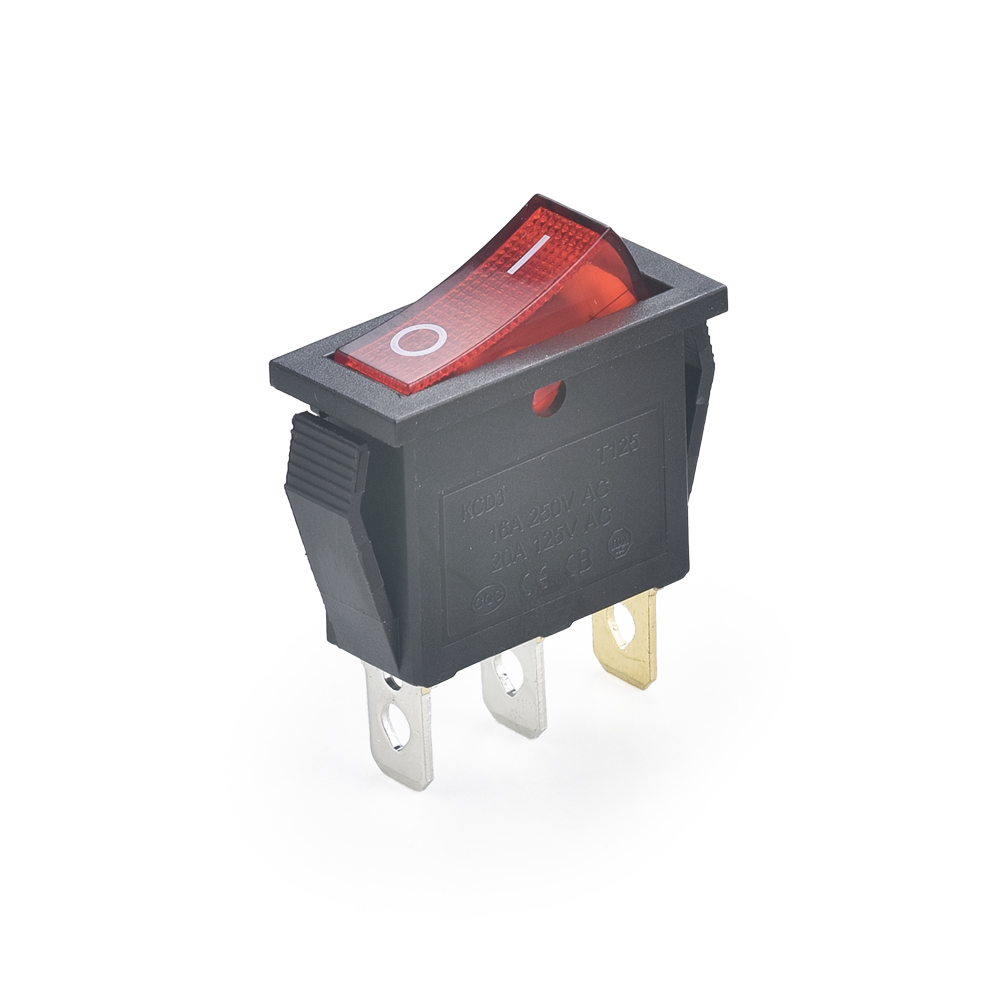
When a single faulty switch disrupts an entire production line, the financial impact goes far beyond the cost of replacing the unit. Unplanned downtime can halt assembly processes for hours or even days, leading to missed delivery deadlines and contractual penalties. Every minute of stoppage translates into direct revenue loss, but the ripple effects—rush shipping charges for replacement parts, overtime wages for maintenance crews, and idle labor costs—often go unaccounted for in initial budget forecasts.
Beyond the immediate operational headaches, inconsistent switch quality slowly erodes brand reputation and customer trust. Consider a commercial lighting system where flickering or unresponsive controls become a recurring complaint. End users begin to associate these annoyances with the entire product line, not just a subcomponent. This silent damage accumulates over time, manifesting as negative reviews, increased service calls, and a higher rate of returns—all of which drain profit margins and divert resources from innovation to damage control.
There is also a less visible but equally corrosive cost: the engineering time consumed by troubleshooting and redesigning around unreliable parts. Instead of focusing on new features or performance improvements, design teams find themselves firefighting—verified through endless testing, source changes, and supplier audits. This constant churn slows product development cycles and introduces hidden compliance risks, especially in safety-critical applications where switch failure could lead to regulatory scrutiny or liability claims.
From Prototype to Production: Testing a Supplier’s Real Capabilities
A sleek prototype often masks the chaos of scaling. I’ve seen too many teams burned by suppliers who nail the one-off sample but crumble when the order hits triple digits. The gap isn’t just about machinery, it’s the hidden friction in their workflows, material sourcing rhythms, and how they handle deviation when nobody’s watching. Prototypes get coddled; production parts get rushed. If you don’t dig past the polished demo, you’ll inherit those cracks mid-ramp, when fixes cost exponentially more.
Stress their process, not just their product. Park yourself on their factory floor during an actual run for a different client, or commission a small pre-production lot under real time constraints. Watch how they manage tool wear, whether QC checklists evolve or just get stamped, and if operators improvise fixes that won’t survive FDA or ISO scrutiny. One trick: ask to see their nonconformance logs. A clean log is a red flag; a well-documented one with honest root cause notes tells you they’re self-correcting. Also trace their sub-tier suppliers. A brilliant machining shop can sink under a flaky coating vendor they never properly audit.
This is about insurance, not mistrust. Production-capable suppliers anticipate your assembly line quirks, keep buffer stocks of long-lead components, and flag design-for-manufacturability sins before you cut steel. They’ll push back on tolerances that look easy in CAD but warp under heat, saving you from a recall later. Building that early pressure-test into your sourcing rhythm weeds out the paper tigers. In the end, the real qualification isn’t the prototype that works once, it’s the supplier who proves they can weather the boring, repeatable grind day after day.
Communication as a Predictor of Long-Term Success
The link between how someone communicates and where they end up years later isn't just anecdotal—it plays out in boardrooms and break rooms alike. Consider the colleague who always clarifies expectations before a project starts; that habit alone eliminates countless hours of rework and resentment. Over time, that person builds a reputation for reliability that opens doors no résumé bullet can capture.
It's not about eloquence or a commanding vocabulary. Often, the quietest person in the room predicts their own trajectory by listening well and asking the question nobody else thought to voice. That kind of communication reduces friction across teams and surfaces insights earlier. In the long run, that early detection of small misunderstandings prevents the large-scale failures that stall careers.
Long-term success also hinges on the ability to adjust tone and delivery depending on the audience. The manager who can level with a frustrated client one minute and then translate technical details for leadership the next doesn't just survive restructuring—they become essential. Those subtle shifts are rarely taught, yet they often determine who stays and who fades when pressure mounts.
Global Sourcing Pitfalls and How to Avoid Them
Relying too heavily on a single supplier or region is one of the most common yet underestimated risks in global sourcing. A sudden political shift, natural disaster, or even a localized labor strike can disrupt your entire supply chain without warning. To sidestep this, successful companies diversify their supplier base across multiple countries and maintain a buffer stock for critical components. It’s not just about having backups—it’s about building a network that can flex when one link breaks, ensuring your operations don’t grind to a halt.
Another pitfall lurks in the fine print: hidden costs that erode your margins long after the deal is signed. Tariffs, currency fluctuations, shipping surcharges, and compliance fees can pile up quietly, turning a seemingly profitable contract into a loss leader. Savvy sourcing teams map out the total landed cost beforehand, not just the unit price, and build in contractual safeguards like hedging clauses or cost-breakdown transparency. When every dollar counts, knowing the true cost upfront separates a good deal from a budget disaster.
Quality control across continents is a challenge that often trips up even experienced buyers. A sample that looks perfect in a showroom can devolve into inconsistent batches when production scales up, leaving you with returns and reputation damage. The fix isn’t just tighter contracts; it’s about on-the-ground engagement—regular factory audits, unannounced inspections, and clear, measurable standards that leave no room for interpretation. Building a relationship with your manufacturer where they understand your definition of ‘acceptable’ means fewer surprises when the goods arrive.
Building a Partnership That Evolves with Your Needs
True collaboration doesn’t stand still. As your business shifts, the way we work together should shift too. Rather than offering a one-size-fits-all plan, we stay close to your evolving priorities, adjusting our approach so it always fits where you’re headed next.
Regular, honest conversations keep things on track—not status reports for the sake of paperwork, but real check-ins that surface issues before they become problems. That kind of open dialogue turns potential roadblocks into opportunities to fine-tune what we’re building.
When you scale or pivot, our support moves with you. No drawn-out renegotiations or rigid contracts—just practical adjustments that keep everything aligned. The goal isn’t just a long-term deal; it’s a partnership that actually gets better over time because it’s built to flex.
FAQ
The supplier you choose directly affects product quality, reliability, and your reputation. A weak link here means potential failures in the field, costly reworks, and delays that can kill a project's timeline and budget.
Watch out for inconsistent communication, vague answers about their manufacturing process, or an unwillingness to provide customer references. If they can't promptly share detailed specs or samples, that's often a red flag.
Look beyond the basics—ISO 9001 is a given for quality management, but industry-specific certs like UL, CE, or RoHS compliance show they understand safety and environmental standards your project might require. Ask for updated certificates and verify they cover the specific product line.
Request a virtual factory tour, ask for video of their assembly lines and testing stations. Inquire about their typical lead times, capacity flexibility, and how they handle sudden demand spikes. A capable partner will share real production data, not just glossy brochures.
Absolutely. Don't skip this step. Order samples under your actual usage conditions—test for durability, electrical performance, and even the feel of the actuator. It's the only way to confirm the switch will meet your ergonomic and life-cycle requirements before you commit to a large batch.
A good partner asks detailed questions about your application: expected load, environment, mounting constraints, and user interaction. They should offer design support, rapid prototyping, and suggest cost-effective modifications rather than just slapping your logo on a generic switch.
It's about more than just freight cost. Evaluate their ability to handle customs, provide accurate Incoterms, and maintain transparent inventory so you aren't stuck with stockouts. A supplier that proactively communicates lead times and offers consolidation services can save you from production stoppages.
Ask for their defect rate over the past year, how they handle field failures, and whether they provide a dedicated support contact. A trustworthy supplier will offer a clear warranty process and not disappear after the invoice is paid—they'll help with troubleshooting, replacements, and even future design improvements.
Conclusion
Finding a rocker switch supplier who truly aligns with your project’s demands goes far beyond ticking boxes on a certification checklist. Real reliability is uncovered when you examine how a partner handles the unexpected—fluctuations in raw materials, last-minute design tweaks, or shifting delivery schedules. Too often, teams fixate on upfront price and overlook the long-term drain of inconsistent quality, where even a 2% defect rate can multiply into field failures, brand erosion, and costly rework. That’s why you need to push suppliers from the prototype stage itself, observing how they translate a one-off sample into thousands of consistent units without drift in tactile feel, actuation force, or electrical endurance. A supplier’s true capability surfaces not in the glossy proposal but in their grit during pilot runs, their responsiveness to feedback, and their transparency when something goes wrong.
Communication style early in the relationship often predicts years of smooth collaboration. If your contact dodges technical questions, takes days to clarify a spec, or treats your project as just another order, those patterns rarely improve. Global sourcing adds another layer: time zone gaps, cultural misinterpretations, and logistical choke-points can quietly erode timelines unless you build redundancy and clarity into every touchpoint. Beyond that, the best partnerships are not static; they adapt as your product line evolves, whether you need sealed switches for outdoor equipment or custom legends for a new UI. Choose a supplier who views your success as their own, invests in understanding your roadmap, and grows their capabilities alongside yours—that is the bedrock of a trusted partner.
Contact Us
Contact Person: Anna lin
Email: [email protected]
Tel/WhatsApp: +86 13567768885
Website: https://www.kjele.com/