

Air Compressor for 24/7 Continuous Operation: Key Selection and Maintenance Tips
2026-07-15
When your operation demands non-stop compressed air, every minute of downtime is a drain on productivity. Choosing the right 24/7-rated compressor isn't just about specs—it's about reliability under constant load. At Seize Air, we've seen how critical the selection criteria and proactive maintenance routines are for such demanding environments. If you're navigating this high-stakes decision, the following insights will set you on the path to sustained performance and fewer surprises.
Why Most Air Compressors Can’t Handle 24/7 Demands (And How to Avoid Picking One)
It’s a frustrating scenario: your operation runs around the clock, but the air compressor keeps tripping thermal overloads or simply can’t keep up. The hard truth is, most entry-level and even many “industrial” units are designed for intermittent duty. Their duty cycle—often buried in the fine print—might only be 50% or 75%. That means for every hour of runtime, they need a significant rest period to cool down. Push them beyond that limit, and you’re not just risking a shutdown; you’re actively shortening the lifespan of the pump, motor, and critical components as heat builds up faster than the cooling system can dissipate it.
The real difference comes down to engineering that is rarely visible on a spec sheet. A true continuous-duty machine isn’t just a standard compressor with a bigger tank; it’s built with heavier bearings, oversized cooling fins, a cast-iron pump (often splash-lubricated), and a motor wound to handle full-load current indefinitely. Without these, sustained operation leads to carbon buildup on valves, oil breakdown, and eventually a seized pump. It’s the thermal stability of the whole system that separates compressed air that is merely available from compressed air you can actually rely on.
So how do you avoid picking the wrong one? Step past the marketing claims and look for a genuine 100% duty cycle rating at the maximum pressure you’ll actually run. Check the pump speed—slower is better for heat and wear. For rotary screws, pay attention to the airend design and the cooling method. A piston machine that claims “continuous duty” but spins at 1,800 RPM under full load is a completely different animal from one that lumbers along at 900 RPM. Real durability comes from an honest engineering approach, not a sticker on the tank.
The Silent Killer of Continuous-Duty Compressors (And How to Stop It)
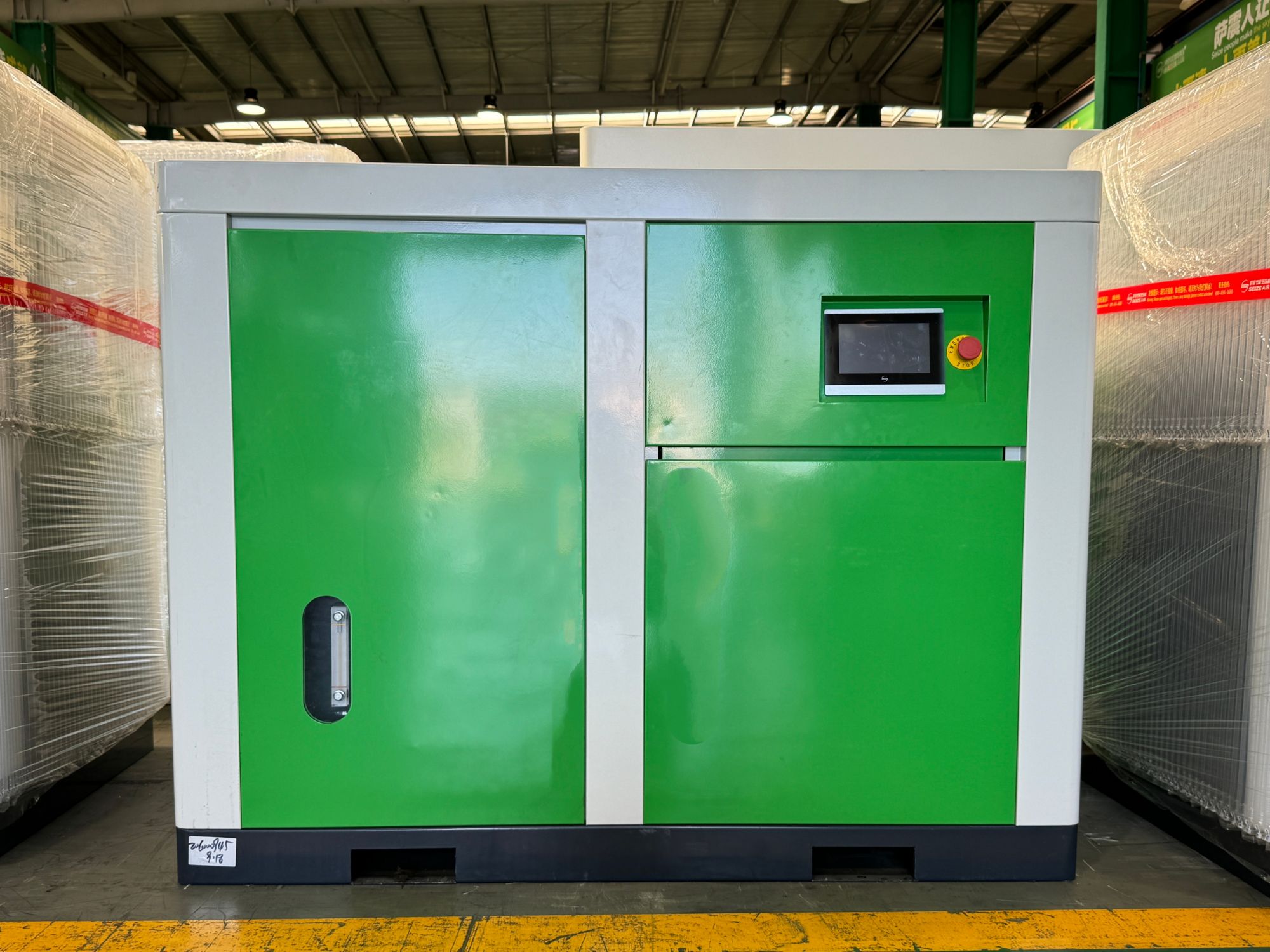
Most compressor failures don’t come with a bang—they creep in slowly, hidden behind normal readings and routine checks. The real culprit is often heat degradation in lubrication and internal components, quietly stripping away efficiency until one day the machine just can’t keep up. It’s not a sudden catastrophe but a gradual erosion that maintenance logs rarely catch.
The fix starts with rethinking how you monitor core temperatures and oil condition. Instead of relying only on scheduled intervals, add trend tracking to spot subtle shifts before they accelerate wear. Small adjustments like improving ventilation around the unit, using synthetic lubricants rated for higher thermal stability, and slightly lowering the discharge pressure can dramatically extend service life without a full overhaul.
Overlooked details matter just as much: check for restricted airflow from dust buildup, listen for subtle changes in cycle patterns, and always verify that coolers are operating at full capacity. Intervening when the discharge temperature is just five degrees above normal can save thousands in unplanned downtime.
Choosing the Right Type: Rotary Screw vs. Piston for Non-Stop Operation
When you need a compressor that can handle constant demand without breaking a sweat, the debate usually narrows down to rotary screw versus piston designs. Piston compressors work hard in short bursts, storing pressurized air in a tank for intermittent use. For round-the-clock operation, though, they tend to overheat and require frequent cool-down cycles. Rotary screw compressors, on the other hand, are built for stamina—they compress air continuously using two interlocking rotors, running cool hour after hour.
Durability tells a similar story. The reciprocating motion of a piston compressor creates more wear on internal parts like rings and bearings, especially when it’s pushed beyond its duty cycle. Rotary screws have fewer moving contact surfaces, which translates into less friction and a longer lifespan under relentless schedules. Maintenance intervals are further apart, too, which means less downtime and more consistent output.
Energy efficiency is where the rotary screw truly justifies its upfront cost in non-stop applications. Instead of cycling on and off and drawing a big surge of current each time, a screw compressor smoothly adjusts its output to match demand—often with variable speed drives. Over years of 24/7 use, the power savings alone can easily offset the price difference, while you enjoy a steady air supply that keeps your tools and processes humming.
The Maintenance Mistake That Cuts Compressor Life in Half
Most operators assume that as long as the compressor runs, everything is fine. But it's the silent, overlooked tasks that cause irreversible wear. The biggest culprit? Ignoring the condensate drains. When moisture isn't regularly purged, it mixes with lubricant, forming a corrosive sludge that eats away at internal components. This single oversight can quietly erode half the life of your compressor, yet it's rarely given a second thought until a costly breakdown occurs.
What makes this mistake so insidious is its ordinary appearance. A quick glance at the drain valve might show a trickle of water exiting—good enough, right? Only if you're verifying that the drain is actually cycling properly under varying loads. Partial blockages can mimic normal operation while allowing moisture to accumulate. I've seen units fail prematurely simply because a technician never adjusted the drain timer for seasonal humidity swings.
The fix isn't glamorous, but it separates reliable systems from chronic downtime. Schedule a weekly check of all drain points—not just a visual inspection, but a manual test to confirm discharge during both light and heavy operation. Swap out timer drains for no-loss electronic drains that react to actual condensation. This small shift in routine preserves bearings, valves, and your peace of mind.
Sizing and Storage: Overlooked Keys to Reliable Continuous Air Supply
Getting the air receiver tank volume right is rarely given the attention it deserves. When demand spikes suddenly, an undersized vessel forces the compressor into rapid cycling, accelerating wear and causing pressure dips that disrupt sensitive processes. But the opposite extreme—grossly oversizing—brings its own headaches: excessive moisture buildup, wasted footprint, and unnecessary cost. The sweet spot lies in matching storage to the actual usage profile, factoring in both average flow and the magnitude and duration of peak events.
Storage strategy also hinges on placement. A single large tank at the compressor outlet seems logical, but it often fails to buffer pressure fluctuations at distant points of use. Distributing smaller receivers near high-consumption equipment, or integrating them strategically along the header, damps local surges more effectively. This layered approach keeps pressure stable where it matters most, reducing the temptation to raise system pressure—a practice that silently bleeds energy and inflates operating costs.
Beyond size and location, the tank’s internal configuration shapes air quality. Wet storage tanks, positioned before the dryer, handle saturated air and allow bulk moisture to drop out, easing the load on downstream treatment. Dry storage, after the dryer, safeguards clean air reserves. Neglecting this distinction leads to water carryover that corrodes piping, fouls valves, and undermines product quality. A well-calibrated storage scheme doesn’t just support continuous supply; it shields the entire system from hidden degradation.
Real-World Lessons: What Long-Time Operators Wish They Knew Sooner
I remember sitting across from a veteran coffee shop owner who told me, "I spent years perfecting my latte art before realizing my customers just wanted a clean bathroom." That blunt observation hits at a core oversight: we often obsess over what we think matters while ignoring what actually drives repeat business. Early on, I wish I had spent less time on menu aesthetics and more time simply asking people why they came back—or didn't.
Another blind spot was underestimating the power of boring consistency. When you're starting out, you want to impress everyone with seasonal specials and Instagram-worthy presentations. But the operators who thrive are the ones who deliver the same quality at 7 AM on a Tuesday as they do on a busy Saturday. It's not glamorous, but reliability builds a quiet, loyal following that no marketing campaign can buy.
Cash flow anxiety teaches brutal lessons. So many failures come down to mistaking a busy week for financial health. I've seen owners celebrate a packed dining room while bills piled up unpaid. The real skill isn't making money; it's keeping it, managing margins, and having the discipline to save for the slow months. No one hands you that manual until you've lost sleep over it.
FAQ
Rotary screw compressors are typically the go-to for non-stop duty. They're built to handle constant demand without overheating or shaking themselves apart. Unlike piston models that need breaks to cool down, screw compressors keep churning with fewer temperature swings and lower wear on internal parts.
You'll want to calculate your total CFM demand at peak usage and then add a safety margin—usually 20-30%. Don't just go by the compressor's sticker rating; look at the actual free air delivery at your working pressure. Oversizing slightly is smarter than having a unit gasping to keep up, which burns out motors fast.
Daily checks are non-negotiable: drain moisture from tanks and filters, inspect belts and hoses, and monitor oil levels if it's a lubricated unit. Stick to a tight schedule for replacing air filters, oil, and separators. Thermal imaging the motor and bearings once a month catches hot spots before they become failures.
Heat is the quickest way to kill a compressor. Without proper cooling, oil breaks down, seals harden, and metal parts expand beyond clearances. A good aftercooler and ventilation setup keeps discharge temperatures in check, which preserves lubricant life and prevents moisture from gunking up the system.
Most off-the-shelf homeowner compressors aren't cut out for round-the-clock work. They're designed for intermittent use—maybe 50-60% duty cycle. Look for a model explicitly rated for 100% duty cycle, with a robust cooling system, heavy-duty components, and a motor that can sustain full load without tapping out.
In a rotary screw compressor, oil changes are typically needed every 2,000 to 8,000 hours depending on oil type and operating conditions. Synthetic oils last longer and handle heat better. Always follow the manufacturer's guideline for your specific model, and send oil samples out for analysis yearly to dial in the perfect interval.
Hot, dusty, or humid environments push compressors into overdrive. When intake air is already warm, the unit works harder to compress it, leading to higher internal temperatures. If the space isn't climate-controlled, you might need auxiliary fans or even an air-conditioned enclosure to keep the compressor within its safe operating range.
Conclusion
Many plants require air compressors to run around the clock, but not every machine is built for that grind. Standard compressors often fail under 24/7 demands because their duty cycles are too low, leading to overheating and rapid wear. To avoid picking the wrong unit, look for a 100% duty cycle rating and robust cooling systems. The silent killer in continuous operation is heat and moisture buildup, which degrades oil and causes internal corrosion. Stopping it demands stringent maintenance: regular oil changes, proper ventilation, and functioning dryers. When choosing between rotary screw and piston types, know that rotary screws are the go-to for non-stop jobs due to their ability to handle constant loads with lower operating temperatures, while pistons are typically suited for intermittent use despite higher pressure capabilities.
Maintenance mistakes can halve a compressor's life, and the biggest one is skipping routine checks on filters, lubricants, and air-end clearances. Predictive upkeep—like vibration analysis and oil sampling—catches problems before they escalate. Sizing and storage are also overlooked; an undersized compressor works too hard, while insufficient air receiver volume causes rapid cycling that wears out controls. Adding storage tanks and properly sizing for your peak demand, not just average load, stabilizes the system. Long-time operators wish they’d known earlier that investing in quality air treatment and monitoring pays for itself by preventing sudden downtime. The bottom line: marrying the right machine with vigilant care turns a potential headache into a reliable workhorse.
Contact Us
Contact Person: Mia
Email: [email protected]
Tel/WhatsApp: +86 19821985894
Website: https://www.seize-air.com